

The American Eskimo Dog is a “bear-type” decorative companion that captivates from the very first moment. This wonderful indoor pet will become not only a best friend for the entire family but also a reliable guardian of the home. Representatives of this breed are exceptionally active, agile, alert, and incredibly charming.
сontents
- 1 History of the Breed
- 2 General Description
- 3 Breed Standard and Requirements
- 4 Temperament of the American Eskimo Dog
- 5 American Eskimo Dog Puppies
- 6 Breeding and Mating of the American Eskimo Dog
- 7 Care and Maintenance
- 8 Training and Education
- 9 Nutrition and Diet
- 10 Health and Common Diseases
- 11 Pros and Cons of the Breed
History of the Breed
The American Eskimo Dog (or “Eskie”) is a well-known breed with a rather unique past. The specifics are such that today, no one can say for certain exactly where these dogs originated. One thing is for sure: they belong to the Spitz family — a Nordic group of breeds that includes animals of various sizes. For example, this group encompasses both the large Samoyed and the American Eskimo Dog itself.
The breed gained widespread popularity thanks to immigrants from Germany and Austria who traveled to America with their beloved pets. In the United States, these dogs appealed not only to ordinary citizens but also to circus owners and theatrical troupes of the 19th century. Their striking appearance and ability to perform complex tricks made them true stars of many circus arenas. Eventually, these dogs began to be called “American Spitz.”
Until 1917, the breed was known as the German White Spitz. However, when the United States entered World War I, strong anti-German sentiments prevailed in American society (which even led to German Shepherds being temporarily renamed “Alsatians”).
To distance the breed from its German roots, kennel owners decided to change the name to something “Northern” and neutral. The name “American Eskimo” was chosen in honor of one of the leading kennels of that time located in Ohio. Despite the name, these dogs have no actual connection to the indigenous Eskimo people.
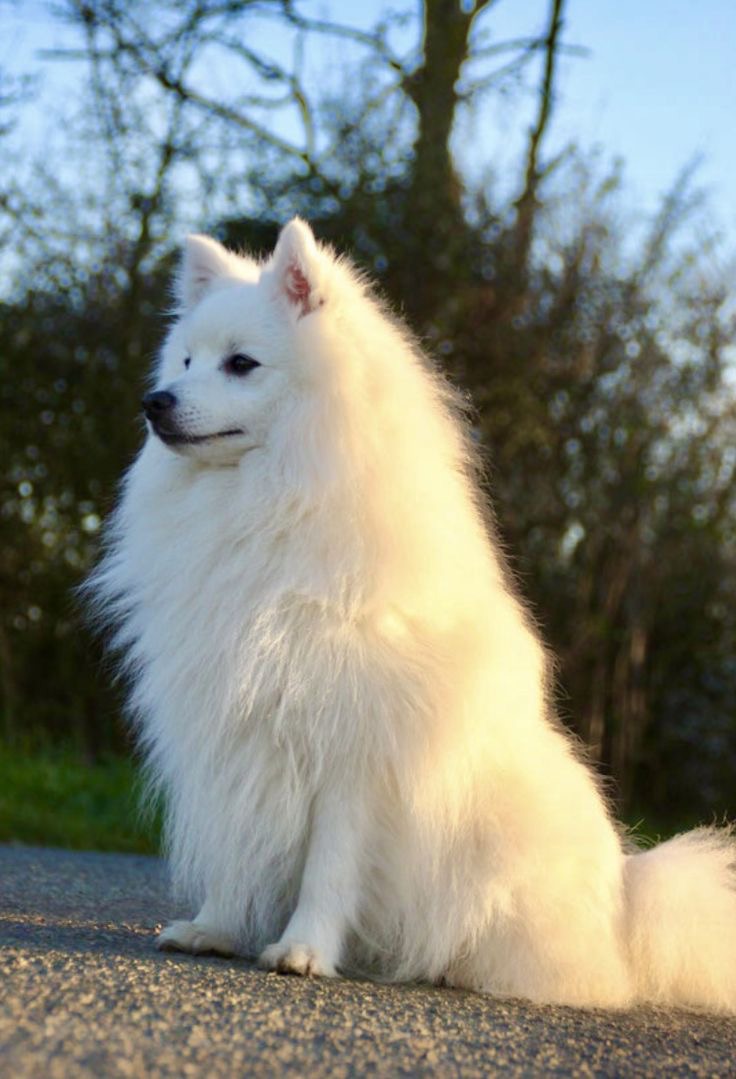
Although they arrived in America with immigrants, in Germany itself, White Spitzes were considered dogs of peasants and artisans for centuries (unlike the colored Spitz varieties, which were popular in royal courts). However, it was the “white version” that proved to be the most hardy and trainable, a quality that American circus performers later highly valued.
Interestingly, the breed is still not recognized by the FCI (Fédération Cynologique Internationale), based in Europe, which considers them simply a variety of the German Spitz. However, in the USA (AKC) and the UK (UKC), they are a distinct, proud breed with their own strict standards. This adds a sense of “exclusivity” to the breed in our region.
-
1985: The American Eskimo Dog Club of America was founded.
-
1995: The American Kennel Club (AKC) officially recognized the breed, placing it in the Non-Sporting Group.
General Description
The American Eskimo Dog is a small to medium-sized dog characterized by a harmonious and proportional build. Its appearance combines Northern endurance with decorative elegance.
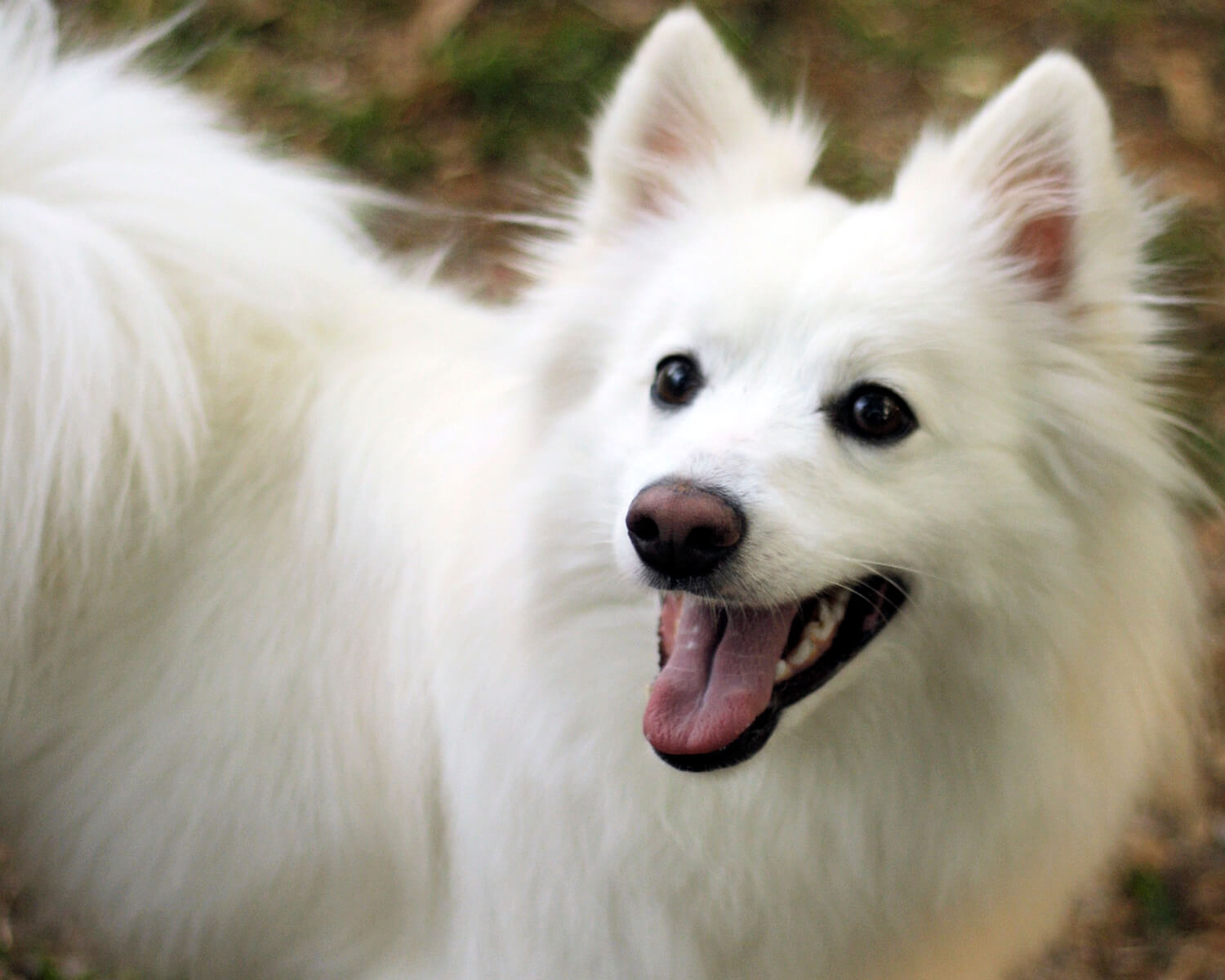
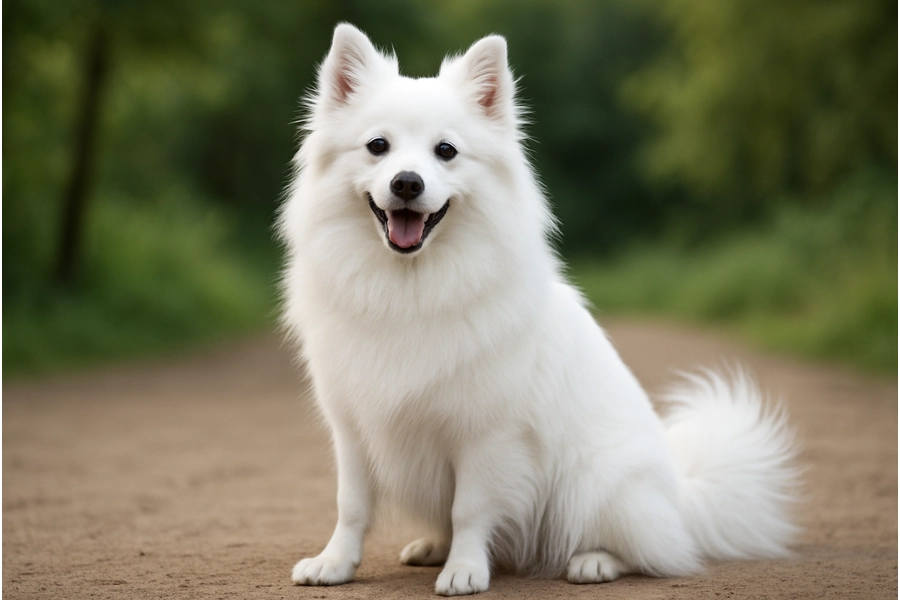
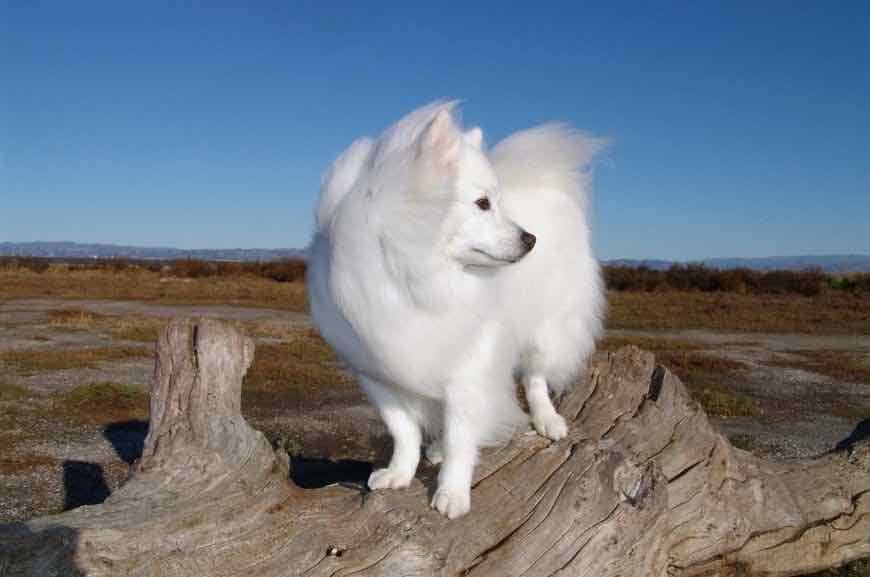
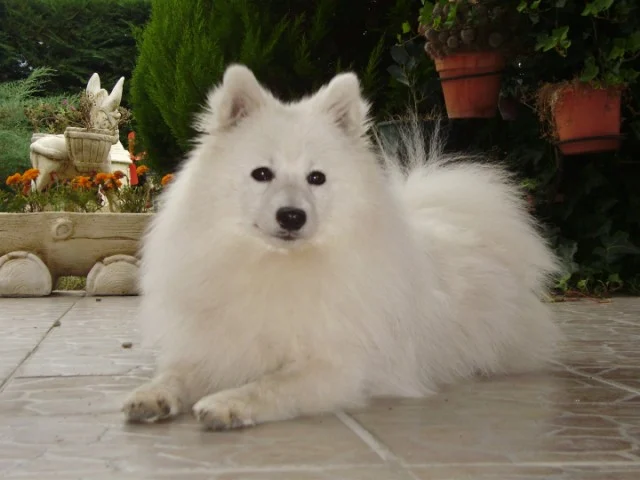
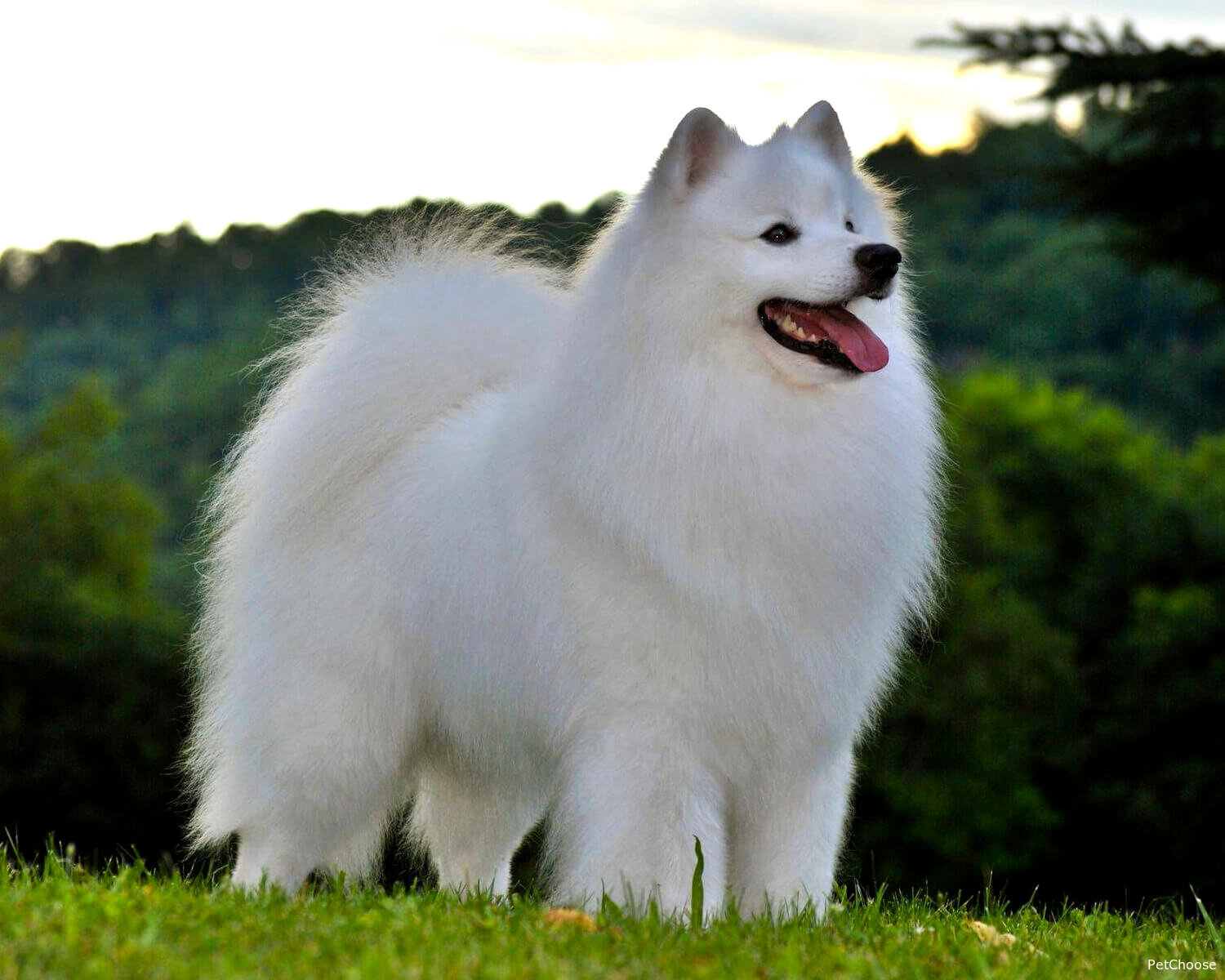
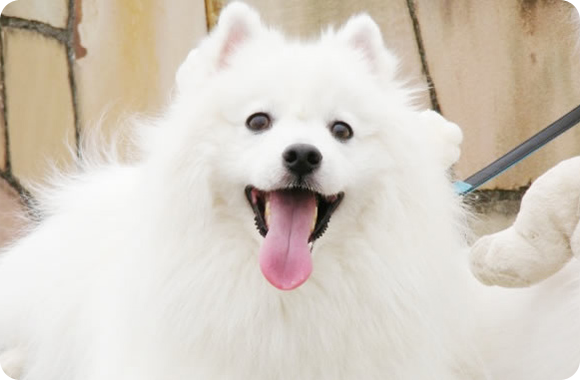
The snow-white coat is the breed’s primary hallmark—a thick, stand-off double coat that comes in pure white or cream. The dog’s body has a sturdy, nearly square frame, indicating strength and agility. Thanks to the contrast of dark black eyes and a black nose against the white fur, the breed possesses an exceptionally intelligent and alert expression, often described as “fox-like.”
This overall look makes the “Eskie” recognizable among hundreds of other breeds, emphasizing its noble heritage and “circus” past.
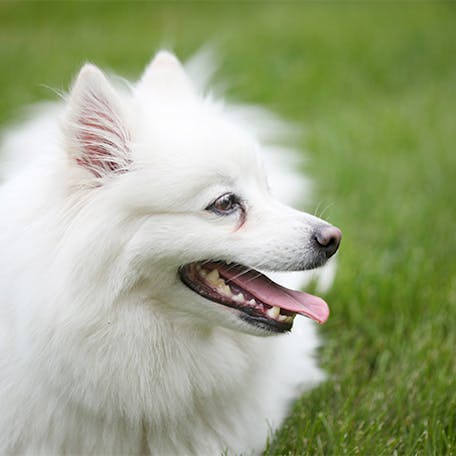
Breed Specifics: Size Classifications
One of the unique features of the American Eskimo Dog is that the breed standard recognizes three official size varieties. Despite the difference in dimensions, all varieties must maintain identical proportions and adhere to the same appearance standards.
Here are the detailed height and weight specifications for each category:
Size and Weight Chart
| Variety | Height at Withers | Weight |
| Toy | 9 – 12 inches (23 – 30 cm) | 6 – 10 lbs (3.5 – 4.5 kg) |
| Miniature | 12 – 15 inches (31 – 38 cm) | 10 – 20 lbs (4.5 – 8.5 kg) |
| Standard | 15 – 19 inches (38 – 48 cm) | 20 – 35 lbs (9 – 17 kg) |
For all three types, the ideal body-length-to-height ratio is 1.1 to 1. The dog should always appear compact, sturdy, and well-balanced.
According to breed standards (specifically the AKC), individuals measuring less than 9 inches (23 cm) or more than 19 inches (48 cm) are disqualified from shows, as they fall outside the official size categories.
This range of sizes allows future owners to choose the perfect companion, whether for a small apartment (Toy) or an active lifestyle in a private house (Standard).
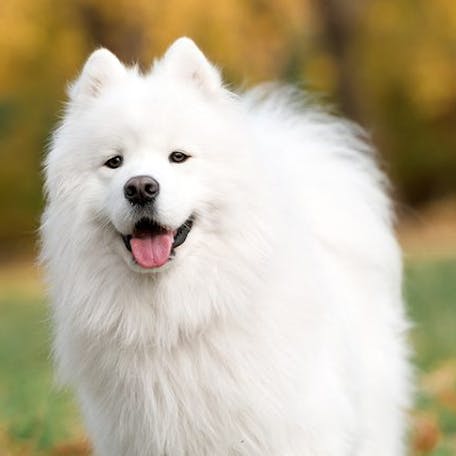
The American Eskimo Dog possesses a harmonious build, where every line emphasizes agility and natural grace.
Head.
The head is wedge-shaped and proportional to the overall size of the body.
Teeth.
Medium-sized, strong, and white. The jaw strength is moderate, typical for companion breeds. The standard requires a scissors bite.
Eyes.
Set closely together with an alert and soulful expression. The color is typically dark brown, though blue eyes are also acceptable.
Ears.
Small, distinctly triangular in shape, and carried firmly erect.
Body and Build
The body is rectangular in format. It is worth noting that females often have a slightly longer body than males. The chest is deep and broad, indicating excellent endurance. The back is level, with well-developed musculature throughout the entire body.
Limbs and Movement
Both forelegs and hindlegs are straight and parallel. The joints are sturdy yet very flexible, providing the dog with effortless and precise movement. The thighs are well-muscled and powerful.
Coat and Grooming
The coat is exceptionally thick, featuring a dense undercoat that supports the outer guard hairs, making them stand off from the body. The fur is shorter on the muzzle and the front of the legs, while a lush “ruff” or collar often forms around the neck.
Color
The primary and most desirable color is pure white, although a light cream (biscuit) tint is also permitted by the breed standard.
Breed Standard and Requirements
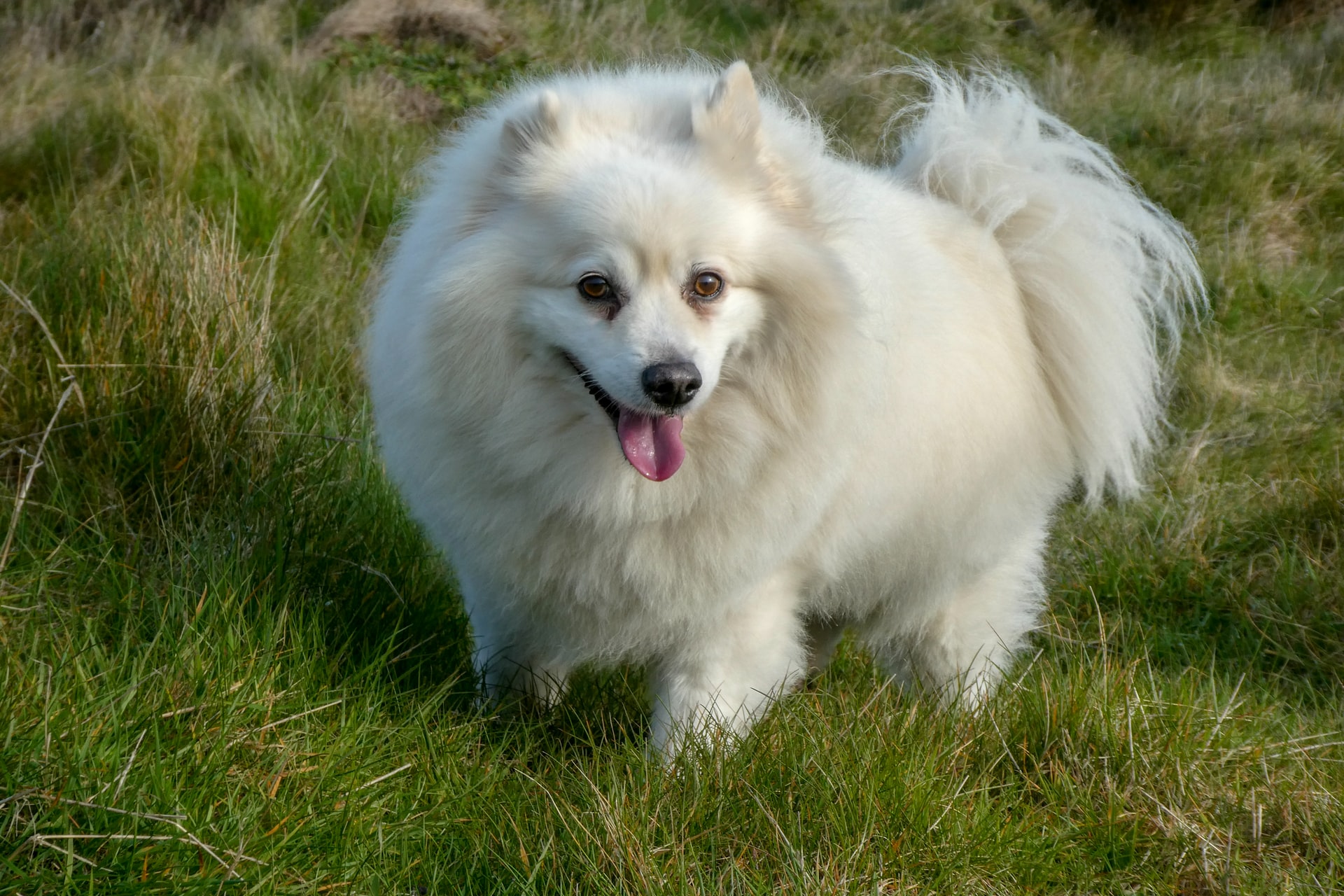
The dog should have a “square” build (the body length from the point of the shoulder to the point of the rump is only 10% greater than the height at the withers). Males should appear masculine with a pronounced “mane” or ruff. Females should have a more refined bone structure and feminine features.
-
Skull: Slightly crowned, tapering smoothly toward the eyes.
-
Stop: Clearly defined but not abrupt.
-
Pigmentation: The nose, lips, and eye rims must be strictly black or dark brown.
-
Teeth: A full set of 42 teeth is required. Missing teeth are considered a fault.
-
Double Coat: A dense, soft undercoat with long, harsh guard hairs growing through it to create volume. The tail features very long hair that spreads like a “fan,” and the hind legs are covered in thick “breeches” (trousers).
-
Color: Only white or white with a biscuit cream tint.
Disqualifying Faults (Mandatory Ban):
-
Size: Any individual under 9 inches (23 cm) or over 19 inches (48 cm).
-
Eye Color: Any color other than dark brown or blue.
-
Aggression: Any dog showing marked hostility toward people or other dogs in the ring.
-
Color Markings: Any spots or patches of color other than white or light cream (e.g., black, red, or gray markings).
Serious Faults (Point Deductions):
-
Amber Eyes: Eyes that are too light in color for adult dogs.
-
Lack of Pigmentation: A pink nose (often called a “winter nose” or “butterfly nose”) or unpigmented eyelids.
-
Bite Issues: Undershot (lower jaw protruding) or overshot (upper jaw too long) bites.
-
Ears: Drooping ears or ears that do not stand firmly erect.
-
Tail: A straight tail that is not carried over the back.
-
Coat Quality: Silky, flat-lying hair without volume, or curly coat.
Temperament of the American Eskimo Dog
The American Eskimo Dog is an exceptionally kind animal with a fascinating personality. Representatives of this breed are perfectly suited for apartment living. They become the most loyal friends to all family members, though they tend to treat strangers with suspicion and caution. However, once the dog gets to know a newcomer and realizes there is no threat, they will easily strike up a friendship.
Key Temperament Traits:
-
Activity: These dogs will never turn down a chance for games or long walks.
-
Loyalty: They are boundlessly devoted to their owners and always strive to please their loved ones.
-
Intelligence: Highly intelligent and energetic, these dogs are remarkably easy to train.
It is worth noting that these dogs absolutely adore snow. During the winter period, be sure to let them frolic and roll around in the snowdrifts—it’s their natural element!
Fun Fact: Despite their small to medium size, American Eskimo Dogs make excellent watchdogs. Moreover, thanks to their phenomenal sense of smell and sharp wits, they are often used in specialized operations, such as detecting prohibited substances.

One of the breed’s standout traits is their astounding intelligence, which has earned these small dogs a reputation as one of the smartest breeds in the world. Their highly developed mind is paired with a deep personality and the ability to make independent decisions—having, so to speak, their own “point of view” on things.
Do not be surprised if your dog tries to prevent a family argument, doing so in an incredibly sweet and peaceful manner. How exactly they choose to intervene is up to them; after all, it’s not for nothing that they have an opinion on everything.
The American Eskimo Dog also possesses an immense inner charm that perfectly complements its outer beauty. Most people fall in love with them at first sight, and those who don’t usually do so at the second. In any case, remaining indifferent to this dog is simply impossible.
They effortlessly memorize complex commands and have a keen understanding of their owner’s desires and household rules. However, never attempt to use aggression or unfair training methods. Doing so will only turn the dog against you and harm their psyche, preventing the full potential of their unique personality from flourishing.
The “Eskie” adores various games and requires both intellectual and physical stimulation. Despite their inner independence, they are very kind, sensitive, and affectionate dogs who cherish attention and return it twofold. They are truly exceptional as companion dogs.
Occasionally, Eskimo Dogs can be overly active, but never destructive—rather, they are playful and simply crave entertainment. They are excellent with children. Furthermore, these dogs are quite “talkative”; they possess a wide range of vocalizations used to express the full spectrum of their rich inner world.
American Eskimo Dog Puppies
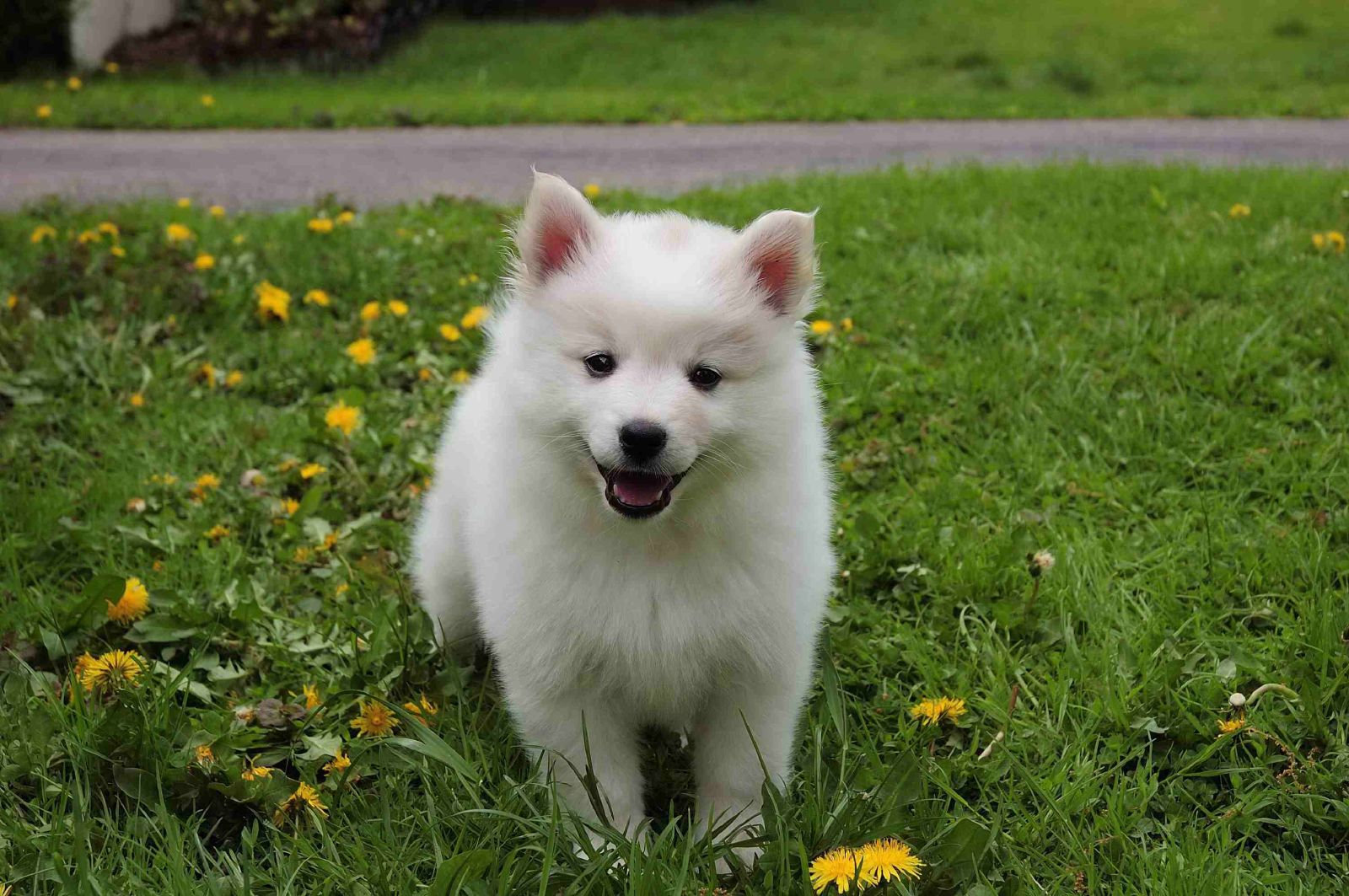
It is best to purchase an American Eskimo Dog puppy from professional breeders or reputable kennels where animals receive proper care and expert guidance is provided.
When choosing your future family member, look for the following key signs and criteria:
How to Choose a Puppy: A Checklist
-
Eyes and Nose: The eyes should be clear and free of discharge. The nose should be cool and moist (unless the puppy has just woken up). Pay close attention to pigmentation: in a healthy puppy, the nose, eyelids, and lips must be black or very dark.
-
Coat: Even in a young pup, the coat should be thick, clean, and pleasant to the touch, without bald patches or signs of skin irritation.
-
General Condition: The puppy should not be too thin (ribs sticking out) or have a bloated belly (which may indicate parasites).
-
Socialization: A healthy “Eskie” is like a tiny, energetic battery. The puppy should be curious, brave enough to make contact, and show no signs of excessive shyness or aggression.
-
Reaction to Sound: Since this is a very alert breed, the puppy should actively respond to external sounds (e.g., a hand clap) without panicking.
-
Parents: If possible, meet the mother (or see photos of the father). This will give you an idea of what your puppy will look like as an adult. Ask for health certificates and genetic test results of the parents, specifically for Progressive Retinal Atrophy (PRA) and hip dysplasia.
-
Veterinary Passport: Verify that the puppy has a vet passport with records of initial vaccinations and deworming.
A Pro Tip: Pay attention to the living conditions of the dogs. A clean and well-maintained kennel is the foundation of a puppy’s strong immune system.
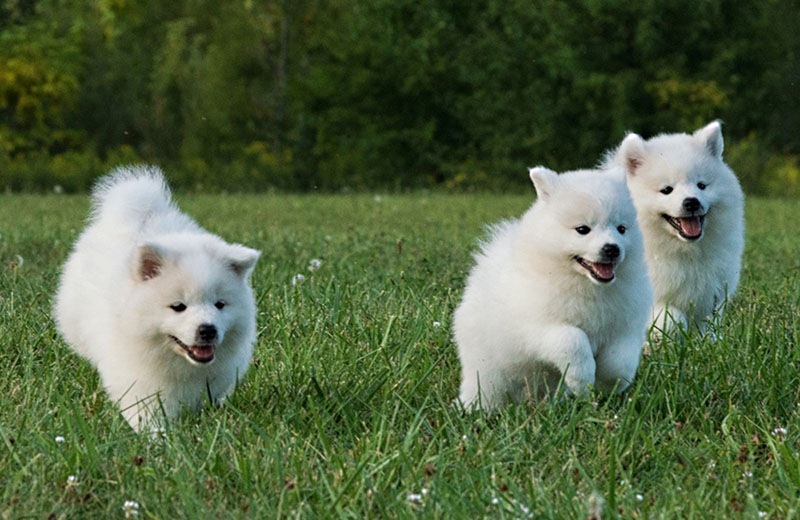
Keep in mind that puppies within a single litter may vary slightly in size as they grow. If it is critical for you that the dog belongs strictly to the “Toy” or “Standard” category, be sure to clarify the parents’ sizes and the breeder’s projections.
Choose dogs from professional breeders. A true professional will often ask you more questions than you ask them, as they want to ensure their puppy is going into a loving and capable home. This is the hallmark of a responsible breeder.
How Much Does an American Eskimo Dog Cost?
The price of an American Eskimo Dog puppy depends on the dog’s class (Pet, Breed, or Show) and the prestige of the kennel. On average, the price for a puppy with a full set of documents and parental genetic tests ranges from $800 to $1,500. However, show-class representatives with elite pedigrees can cost significantly more.
Since the breed is relatively rare in certain regions, potential owners often need to reserve puppies in advance or account for additional international shipping costs.
Purchasing a “bargain” puppy from unverified sources is risky. The beautiful white coat can often mask allergies and hereditary defects that professional breeders carefully screen out through rigorous selection.
Breeding and Mating of the American Eskimo Dog
The first heat (estrus) in a female typically occurs around 8 months of age; however, it is highly recommended to wait until she is at least two years old before mating. Only by this age is the dog’s body fully developed and prepared to carry and deliver healthy offspring. Before mating, a veterinary visit is mandatory for a general check-up and treatment for external and internal parasites.
-
Optimal Timing for Mating: The best period for conception usually occurs between the 10th and 14th day of the heat cycle, when the discharge becomes lighter and the dog’s behavior indicates readiness for mating.
-
Genetic Testing: Since “Eskies” are prone to certain hereditary conditions (such as Progressive Retinal Atrophy (PRA) or hip dysplasia), it is crucial that both partners have negative test results for these pathologies. This ensures the health of the future litter.
-
Heat Cycle Characteristics: Due to their thick white coat and the breed’s naturally clean habits, owners may sometimes miss the beginning of the first heat. During this period, it is important to pay close attention to hygiene; using specialized pet diapers or sanitary pants can help maintain cleanliness in the home.
-
Pre-Pregnancy Nutrition: One month before the planned mating, it is recommended to switch the female to a high-quality, balanced diet rich in folic acid and essential minerals to prepare her reproductive system for the upcoming physical demands.
Care and Maintenance
The coat of the American Eskimo Dog is its primary ornament and requires special attention. The more frequently you brush your pet, the less loose fur you will find in your apartment. Ideally, spend 5–10 minutes a day on brushing; this will keep your home clean and ensure your dog always looks neat and beautiful.
These dogs are designed to live alongside humans.
-
Ideal Living Conditions: A country house with a large backyard where the dog can run freely is the best fit.
-
Apartment Living: Entirely possible, provided the owner ensures active walks 2–3 times a day.
“Eskies” are highly active and enjoy playing with children. They absolutely cannot stand solitude. If left alone for long periods, they may develop separation anxiety and depression, manifested by excessive barking, destructive chewing, or even loss of appetite.
The average lifespan of an American Eskimo Dog is 14 years. To keep your pet healthy, remember these specific care requirements:
-
Bathing: This breed has very sensitive skin prone to dryness. Frequent bathing can damage the natural protective oils, so water procedures are recommended only when absolutely necessary.
-
Prevention: Every 3 months, it is mandatory to treat the dog for fleas, ticks, and internal parasites (worms).
-
Skin Health: Due to the tendency for dry skin, it is important to monitor their diet. A balanced ration should be rich in Omega-3 and Omega-6 fatty acids to maintain skin elasticity and coat shine.

Training and Education
The ability to quickly grasp an owner’s desires and commands, combined with an innate friendliness and gentle nature, makes these dogs nearly ideal for training. They deliver results easily and can be taught not only basic commands but also much more complex tricks. The American Eskimo Dog possesses an excellent memory; for instance, they can remember and distinguish between different objects to be retrieved. They will easily learn the difference between “slippers” and a “bag” and fetch exactly what is asked.
Since they are good-natured and intelligent animals, they should be treated like close friends. Firmness might only be necessary in specific household situations, while consistency, persistence, and positive reinforcement are key to successful training. It is no coincidence that this breed continues to demonstrate remarkable wit in the circus arena today.
Additional Facts About Training Your Eskie:
-
Circus Heritage: American Eskimo Dogs were the first dogs in history to learn to walk a tightrope. Their natural sense of balance and lack of fear of heights make them unsurpassed in trick training.
-
Positive Reinforcement: Due to the breed’s high emotional sensitivity, clicker training or food-based rewards work best. Any display of harshness can cause the dog to “shut down” and lose interest in learning.
-
Mental Games: Since they can distinguish object names, owners are encouraged to play “hide and seek” games—hiding favorite toys in different rooms and asking the dog to bring a specific one by name. This provides vital mental stimulation, which is crucial for calm behavior at home.
-
Reaction Speed: These dogs pick up on moods and facial expressions so quickly that it often feels as if they understand human speech without words. This makes them excellent candidates for agility and frisbee.
Nutrition and Diet
Dogs of this breed are true carnivores, so the foundation of their diet must be meat. American Eskimo Dogs readily consume veal and beef; however, chicken can be used as a substitute if necessary (though you must be cautious, as chicken is a common allergen for white Spitz breeds).
Ration Calculation: The daily food intake depends on the dog’s weight and age. A general guideline is 25 grams of meat for every kilogram of body weight. It is recommended to mix the meat with grains (buckwheat or rice) and vegetables.
Forbidden Foods
To avoid digestive issues and maintain a pristine coat, strictly avoid feeding the following:
-
Beets: Can change urine color and potentially stain the white fur.
-
Potatoes: Difficult for the canine digestive system to process.
-
Bakery Products: Provide excessive carbohydrates and pose a high risk of obesity.
Age-Specific Feeding:
-
Under 3 Months: The diet should primarily consist of dairy products.
-
Adult Dogs: As they age, whole milk should be replaced with cottage cheese or kefir, which are much easier to digest.
Many owners opt for high-quality dry kibble, as it already contains all the necessary vitamins and minerals. If you prefer a “natural” diet, it is essential to include vitamin supplements. To avoid overloading the system, it is best to choose a few complexes containing 3–5 vitamins and rotate them.
Crucial Warning: Never give bones to dogs of this breed. They can cause dental damage or, even worse, puncture the esophagus and internal organs.
Health and Common Diseases
The American Eskimo Dog is generally a healthy breed with a robust immune system. They are not typically prone to complex hereditary diseases; however, as with any breed, there are a few exceptions to be aware of:
-
Hip Dysplasia: A condition where the hip joint doesn’t develop properly, potentially leading to lameness or arthritis.
-
Legg-Calvé-Perthes Disease: A condition involving the aseptic necrosis of the head of the femur, which also affects the hip joint.
-
Progressive Retinal Atrophy (PRA): A gradual deterioration of the retina that can lead to impaired vision or eventual blindness.
-
Juvenile Cataracts: An eye condition affecting relatively young dogs (under six years of age) that is considered hereditary.
Overall, these conditions are rare. If an owner provides proper care and high-quality nutrition, in 99% of cases, they can expect a healthy life for their pet without frequent veterinary visits.
The “Eskie” possesses strong natural immunity and is not susceptible to frequent genetic defects. Illnesses are uncommon and are usually the result of improper maintenance or an unbalanced diet rather than underlying health issues.
Vulnerable Areas and Preventive Care
-
Eyes: The organs of vision are the most common area where health issues may arise.
-
Musculoskeletal System: Specifically, hip dysplasia and joint displacement. These pathologies can be either hereditary or acquired due to obesity or improper physical strain during the dog’s growth period.
Fun Fact: Thanks to their thick double coat, these dogs are completely undeterred by the cold. However, despite their “frost resistance,” American Eskimo Dogs are exclusively indoor pets that must live inside the home alongside their humans.
Weight Control: Since the breed is prone to joint issues, it is crucial not to overfeed your dog. Excess weight creates critical pressure on the hips and joints.
Health Screenings: When purchasing a puppy from a professional breeder, always ask for the parents’ PRA (vision) and OFA (hips/joints) test results. This virtually eliminates the risk of hereditary diseases.
Daily Hygiene: Due to their white coat and eye sensitivity, inspect their eyes daily for any discharge. Persistent tearing may not only be an aesthetic concern (staining) but also a sign of allergies or blocked tear ducts.
Pros and Cons of the Breed
Before making the final decision to bring an American Eskimo Dog into your home, it is important to objectively weigh all the characteristics of the breed. Like any other dog, the “Eskie” has its unique advantages and certain maintenance challenges.
Pros:
-
Exceptional Intelligence: Remarkably high IQ and ease of training.
-
Versatile Size: Compact dimensions are ideal for apartment living.
-
Stunning Appearance: A striking, snow-white “bear-like” coat.
-
Gentle Nature: Lack of aggression and a genuine love for children.
-
Excellent Watchdog: They are very alert and will always warn you about strangers.
-
Hardiness: Generally robust health and high endurance.
Cons:
-
Vocal Personality: A tendency for loud and frequent barking.
-
Grooming Demands: Requires daily brushing and goes through intense shedding.
-
Separation Anxiety: They do not handle solitude well (potential for destructive behavior).
-
Mental Needs: Requires constant intellectual stimulation to stay happy.
-
Health Sensitivities: Prone to allergies and the formation of “tear stains.”
-
Independent Streak: They have a “mind of their own” which may lead to occasional stubbornness.

The American Eskimo Dog is incredibly charming, intelligent, and playful. This lovely companion will become not only a loyal friend but also a reliable guardian for the entire family.


