

The Pomeranian is a small, fluffy ball with an adorable face that will become a loyal friend, a cheerful companion, and a brave protector. This energetic little dog absolutely loves active outdoor walks. As a toy breed, it is perfectly suited for both small apartments and spacious country houses. These dogs charm everyone with their beauty, grace, and affectionate nature. Interestingly, before becoming lap dogs, Spitzes were actually sled dogs.
сontents
- 0.1 History of the Breed
- 0.2 Description
- 0.3 Breed Features
- 0.4 Coat
- 0.5 Breed Standard
- 0.6 Faults
- 0.7 Disqualifying Faults
- 1 Temperament of the Pomeranian
- 2 Pomeranian Puppies
- 3 Mating (Breeding) of the Pomeranian
- 4 Care and Maintenance
- 5 Training and Socialization
- 6 Nutrition
- 7 Health and Diseases
- 8 Pros and Cons of the Breed
History of the Breed
The Pomeranian is widely known across the globe. In the United States, it has been firmly ranked among the top 50 most popular breeds since 1998. Maintaining such a position for over 20 years is a remarkable achievement.
It is believed that the ancestors of this breed were large dogs from the Arctic wastes, such as the Wolfspitz, which were used for various tasks. They traveled in sled teams, carried heavy loads, and guarded homes. Looking at a modern Pomeranian today, it is hard to imagine that its ancestors were capable of pulling freight or confronting wild animals, as it is now such a small and harmless dog.
Historically, the German Spitz is considered a closer relative. In fact, the name “Spitz” comes from a term used by Count Eberhard zu Sayn in the 16th century, literally meaning “sharp point,” referring to the dog’s pointed muzzle and nose. Although named “Pomeranian,” the breed did not actually originate in the former Pomerania (now part of Germany and Poland along the Baltic Sea), but rather experienced a significant surge in breeding there.
Accordingly, after spreading throughout this territory, they became known to the local population and, eventually, to neighboring regions, which is where the breed name “Pomeranian” originates. Throughout history, many aristocrats and royal families favored Spitzes and even helped shape the breed’s appearance.
For instance, Queen Victoria maintained an entire kennel of these dogs, and during her lifetime, the size of her pets decreased by more than half. While in the beginning, one of her most beloved dogs—a red female Pomeranian—weighed 5 kg, by the end of her life, most of the dogs in her kennel weighed only 2–3 kg. Queen Victoria purchased the smallest specimens of the breed from other European countries and introduced them into her breeding program.
In addition, around the same era as Victoria, these dogs were also kept by King George IV of England and Joséphine de Beauharnais, the wife of Napoleon. The first official Pomeranian breed club was established in England in 1891, and just a year later, the first official breed standard was introduced. In 1898, the first Pomeranian was registered with the American Kennel Club. Under the 1998 standard, the Pomeranian is included as part of the German Spitz standard.
Eleven years later, the first specialty show took place, where numerous Pomeranian breeders competed for the title of the best. By that time, Spitzes boasted a whole palette of coat colors. Dogs of black, white, chocolate, cream, and blue shades captured everyone’s admiration, but only one Pomeranian claimed the top award. This was Banner Prince Charming, a dog with a noble black coat owned by Mrs. F. Smith. Famous champions of subsequent shows included Pomeranians named Dainty Mite, Princess Ula, and Twilight, all of whom went on to produce numerous offspring.
Despite the notable progress in Pomeranian breeding, American dog breeders continued their work to improve the breed, though they soon abandoned attempts to make the animals even more miniature. Excessive reduction of body proportions led to reproductive issues, which negatively impacted breeding efforts. Experiments also revealed that the blue coat color was the most difficult to maintain, while white Pomeranians appeared larger than their counterparts with other coat colors and were therefore less likely to participate in shows.
Description
The Pomeranian is a toy dog breed with a compact build and strong musculature.
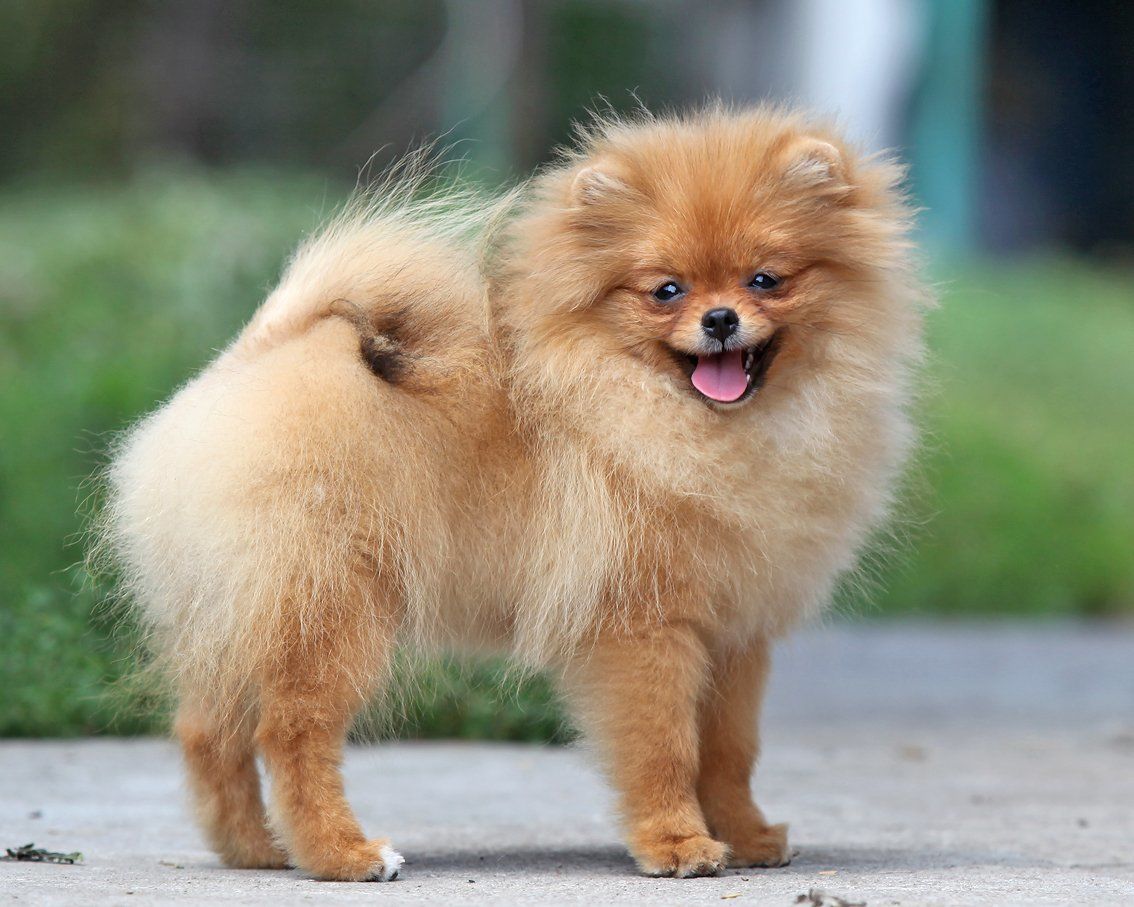
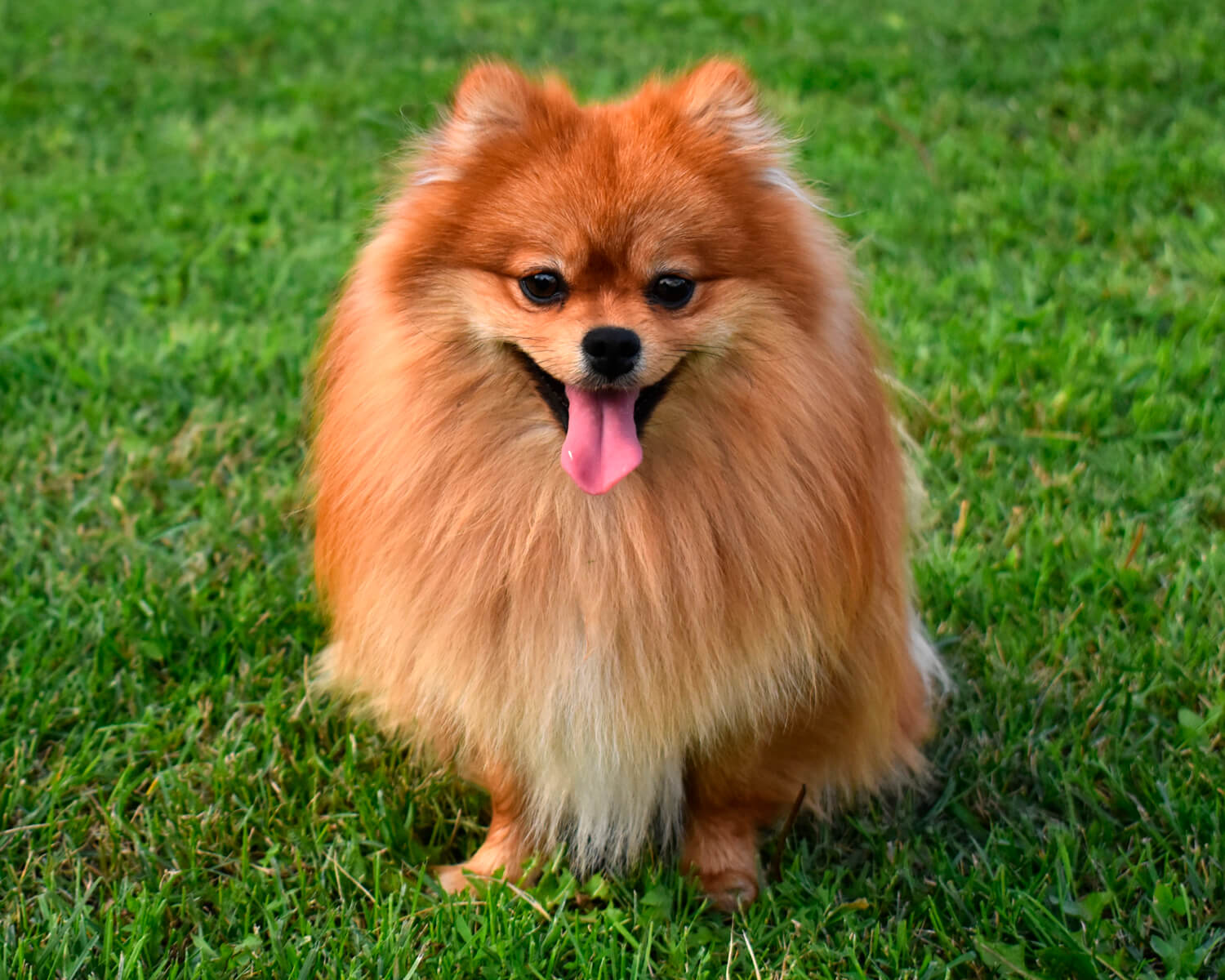
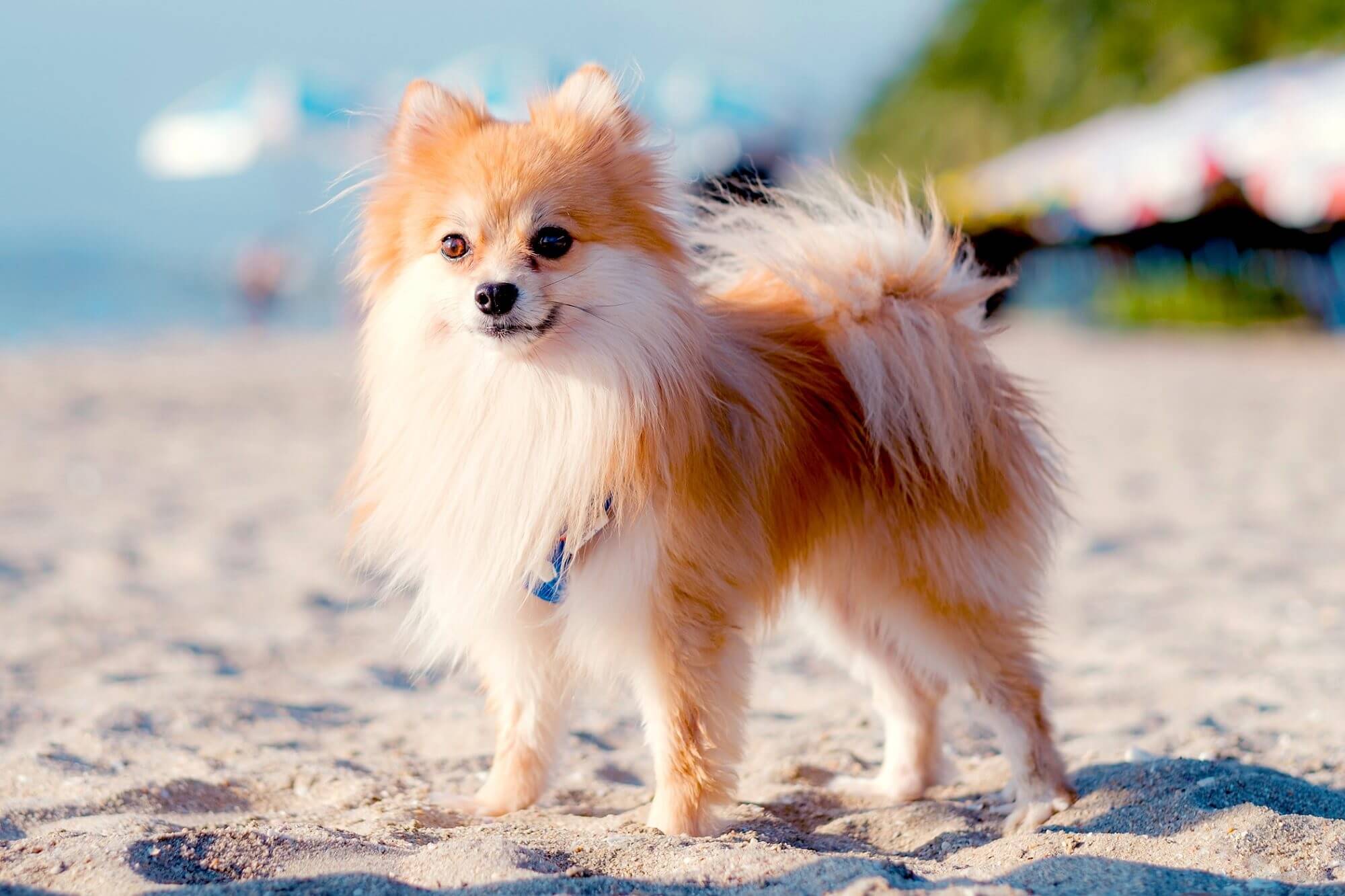
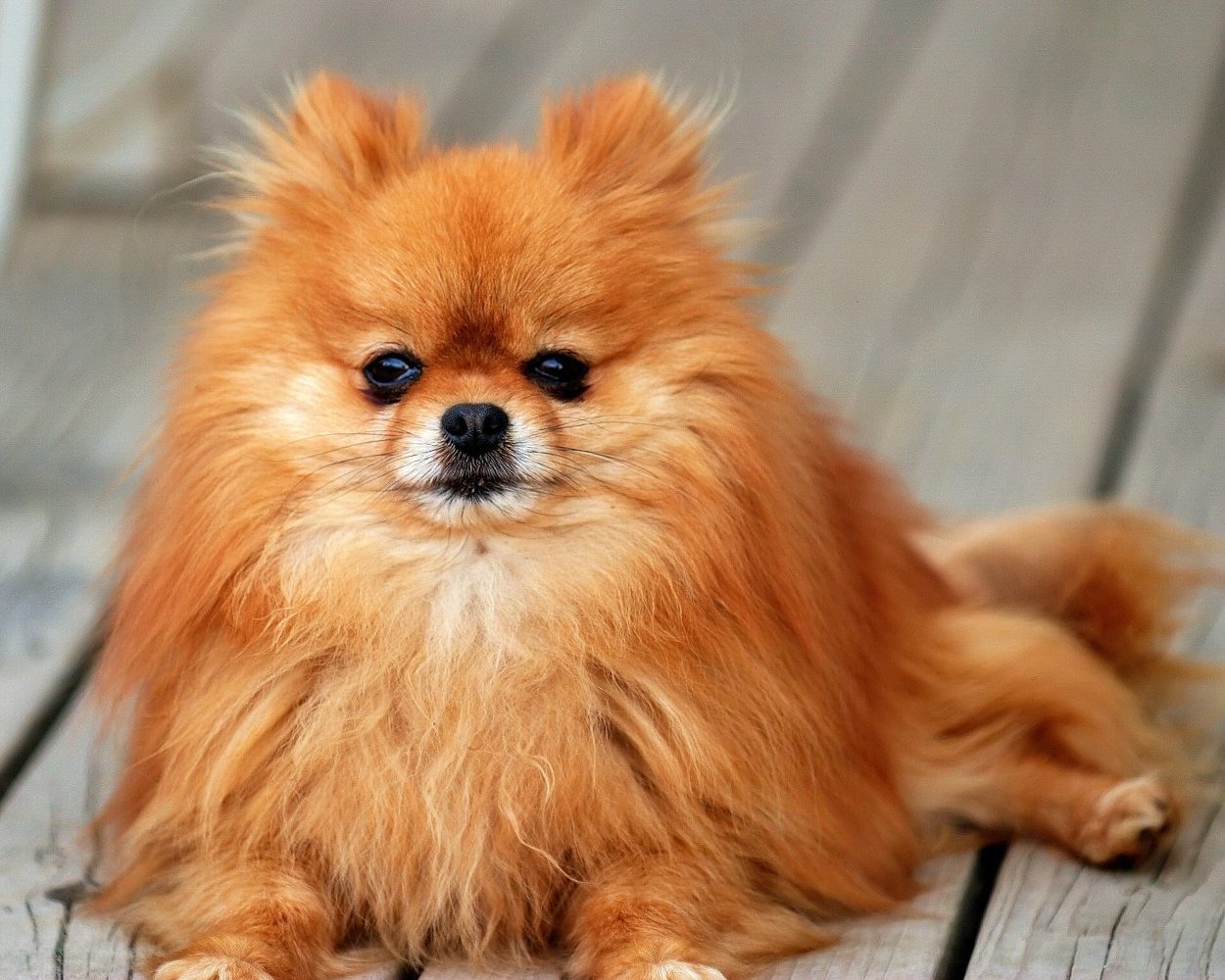
Its main distinguishing feature is a beautiful, fluffy coat with a dense undercoat and a thick, mane-like ruff around the neck. Outwardly, the Pomeranian resembles a tiny fox, particularly due to its facial features.
The ideal weight for show-class dogs is 2 kg.
Newborn puppies weigh between 70 and 140 grams. On average, they grow until they are 6 months old. Their skeletal system fully forms by one year of age, and their fluffy coat reaches its final, mature appearance by the age of 3.
Breed Features
The Pomeranian easily finds a common language with its owner, showing boundless love and loyalty. It makes an excellent friend and companion for responsible, older children. However, it is best to avoid getting this dog for younger, highly energetic kids. The breed stands out for its excellent watchdog qualities, sounding a loud, bell-like bark to announce the arrival of any unexpected guest. Pomeranians are absolutely not suited for outdoor kennels or chains; an apartment or a cozy country house is the ideal living environment.
Pomeranians require meticulous and regular grooming, active play, and long walks. Before bringing this breed into your home, it is wise to realistically assess your lifestyle and schedule. These dogs love to bark, which can often annoy neighbors and even the owners themselves. If the owner shows a lack of leadership, the Pomeranian is prone to displaying dominance and stubbornness, which can be challenging to manage.
Consequently, this breed is not recommended for novice dog owners.
Head
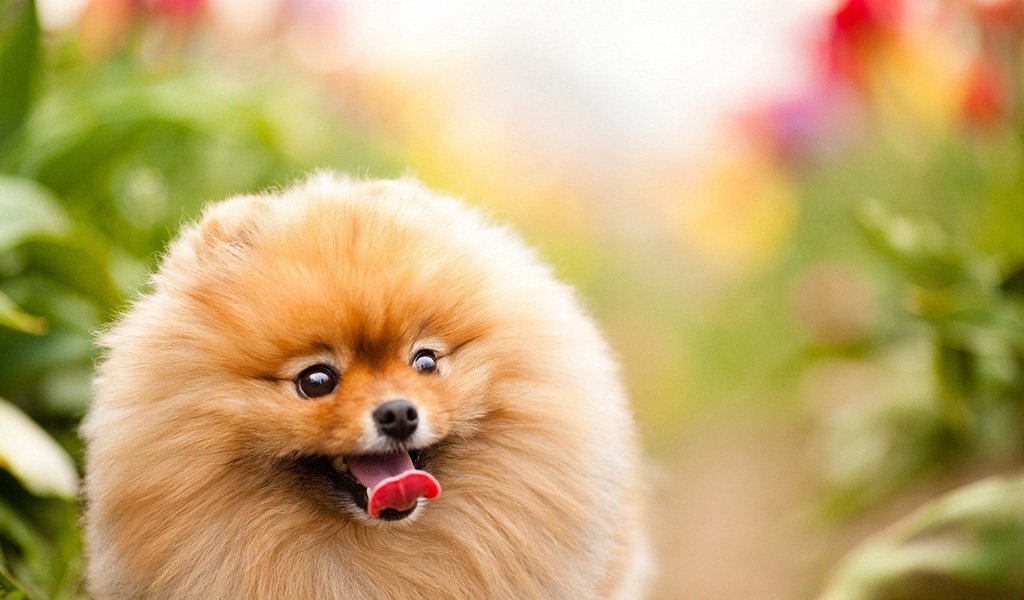
The head is small, with a wider back part of the skull. It tapers toward the nose, forming a wedge shape. The forehead is rounded, and the occipital protuberance is poorly defined. The cheeks are puffy, making the cheekbones practically invisible.
Ears
The ears are triangular in shape, set high on the head, and positioned close to each other. They have sharp, stiff tips. Newborn puppies have floppy ears, which lift and stand erect as they grow.
Eyes
The eyes are dark, small, and obliquely set. They are almond-shaped or oval. The eyelids are black, though dark brown pigmentation is acceptable in dogs with a matching coat color. The breed is characterized by a mischievous, lively expression that gives the animal a fox-like look.
Jaws and Teeth
The upper jaw overlaps the lower jaw, forming a scissor bite. A level (pincer) bite is not considered a defect. A complete set consists of 42 teeth, though the absence of premolars is permissible.
Body
The neck blends into the withers, which in turn flow into a short, straight back. The loin transitions into a short croup. The chest is well-developed, and the abdomen is tucked up. The ribs should be easily felt upon palpation.
Limbs
-
Forelegs (Front legs): Broadly set. The shoulders feature well-defined, strong musculature. The toes are tightly arched. The pads and nails are black in all individuals, except for red, brown, and cream-colored dogs (where they match the coat color).
-
Hindlegs (Back legs): Positioned parallel to each other. The paws are small and less rounded compared to the forepaws. The toes are compact, and the nails and pads are black.
Coat
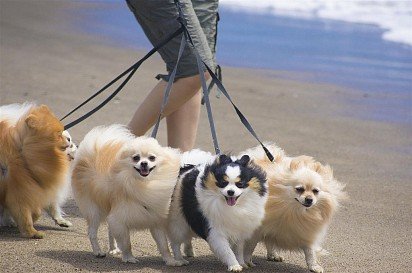
Underneath the guard hair lies a dense undercoat. The head, ears, and the front sides of the limbs are covered with short, soft hair. The rest of the body features long, straight hair free of waves or curls. The shoulders and neck are adorned with a thick mane. The tail is incredibly fluffy and blends seamlessly with the “trousers” (feathering) on the hind legs.
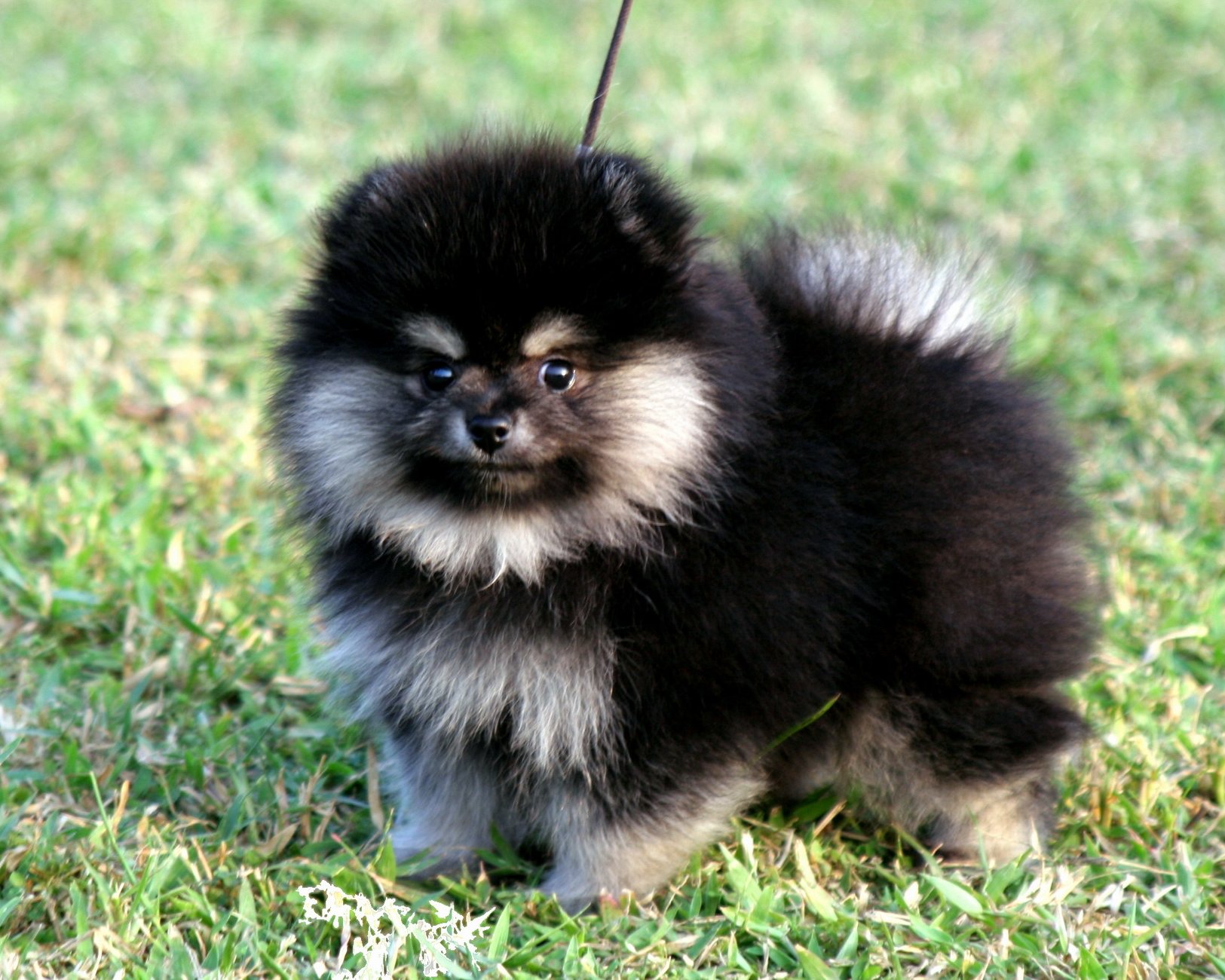
There are about 10 recognized coat colors:
-
Blue
-
White
-
Black
-
Orange
-
Cream
-
Sable
-
Chocolate
-
Blue or black and tan
-
Particolor (bi-color)
-
Spotted coat pattern is also possible, featuring evenly distributed patches on a white background.
Breed Standard
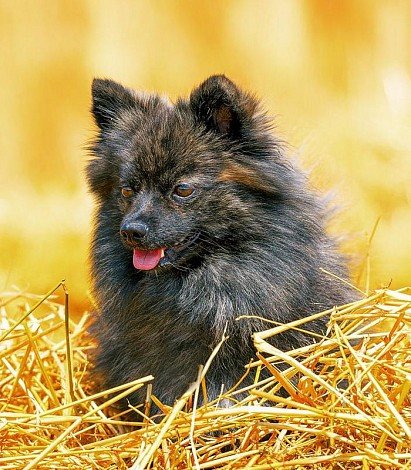
The Pomeranian belongs to the toy dog breeds. However, its sturdy build and well-developed musculature do not detract from its elegance and grace. The FCI (Fédération Cynologique Internationale) standard stipulates that a Pomeranian’s height at the withers should be equal to its body length, ranging from 18 to 22 cm.
-
Adult Male: Height at the withers is 18–22 cm; weight is 1.8–2.3 kg.
-
Adult Female: Height at the withers is 16–20 cm; weight is 1.4–3.2 kg.
The weight of Pomeranians is proportional to their height and generally ranges between 1.5 and 3.2 kg. Ideally, show-class representatives of the breed should weigh 2 kg.
Faults
Any departure from the breed standard is considered a fault. These include:
-
An apple-shaped or overly flat head
-
A sharp narrowing of the skull from the occiput to the nose
-
Bulging, teary, or light-colored eyes
-
Flesh-colored (pinkish) pigmentation of the eyelids, nose bridge, and lips
-
A waddling gait or “hackney” (prancing) movement
-
The tip of the tail curled into a double ring
-
An overly pronounced stop (the transition from forehead to muzzle)
Disqualifying Faults
-
Aggressiveness or extreme shyness
-
An unclosed fontanel (open dome on the skull)
-
Overshot and/or undershot bite
-
Semi-erect ears
-
Distinct, sharply defined borders of white markings (in solid-colored dogs)
-
Ectropion or entropion (eyelids rolling outward or inward)
Temperament of the Pomeranian
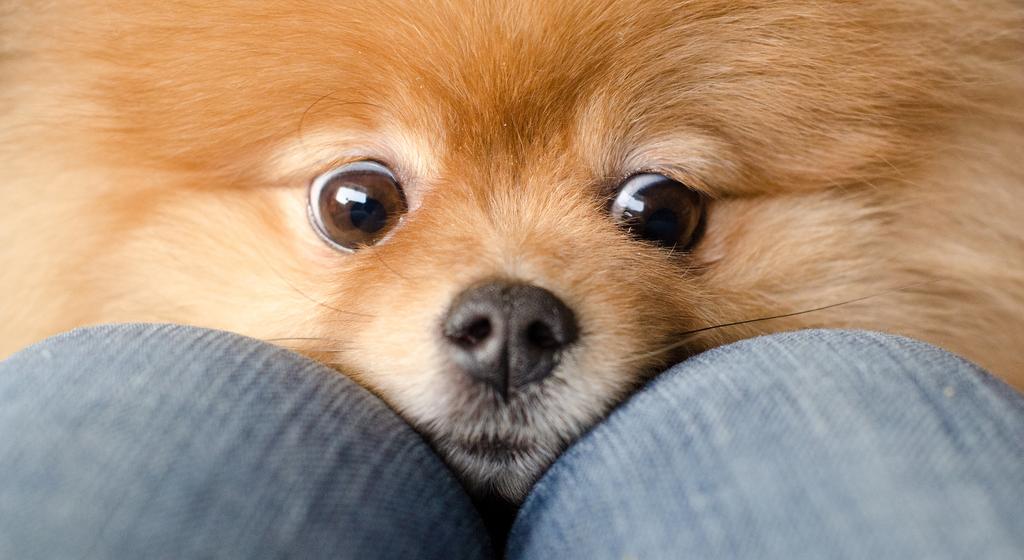
A cheerful, active, affectionate, and loyal pet, the Pomeranian makes an outstanding companion for its owner and their family. It easily bonds with all household members, as it is highly skilled at reading human moods and emotions.
Despite its miniature size and adorable appearance, the Pomeranian is an excellent watchdog. Possessing keen hearing, it will immediately announce the arrival of a stranger with its ringing bark. These dogs tend to be wary of unfamiliar people. At the same time, they absolutely adore children, show no aggression toward them, and are always eager to play together.
The Pomeranian generally gets along well with other pets, though it occasionally exhibits a tendency to dominate its peers. The introduction of a second dog to the household can be a trigger for a Pomeranian, as it feels the need to show both the owner and the new furry newcomer who is the boss. However, if the Pomeranian is raised alongside other animals from puppyhood, these issues rarely arise. Exercise caution when introducing your pet to decorative rats, hamsters, parrots, and other small creatures, as the Pomeranian’s hunting instincts can kick in unexpectedly.
In terms of personality, the Pomeranian is an extrovert. However, when interacting with other dogs or strangers, it sometimes overestimates its own strength and may even try to pick a fight. At the very least, it will do everything to project fearlessness and combat spirit. This is where consistent training and behavior correction become essential. After all, if a Pomeranian decides to challenge a Pit Bull, the outcome is as clear as day—and you would likely end up searching for a new dog.
Pomeranians are highly inquisitive and active dogs that enjoy walks in any weather. You should not get a Pomeranian if you are looking for a purely decorative lap dog to just lounge on the couch with while watching your favorite movie.

Pomeranian Puppies
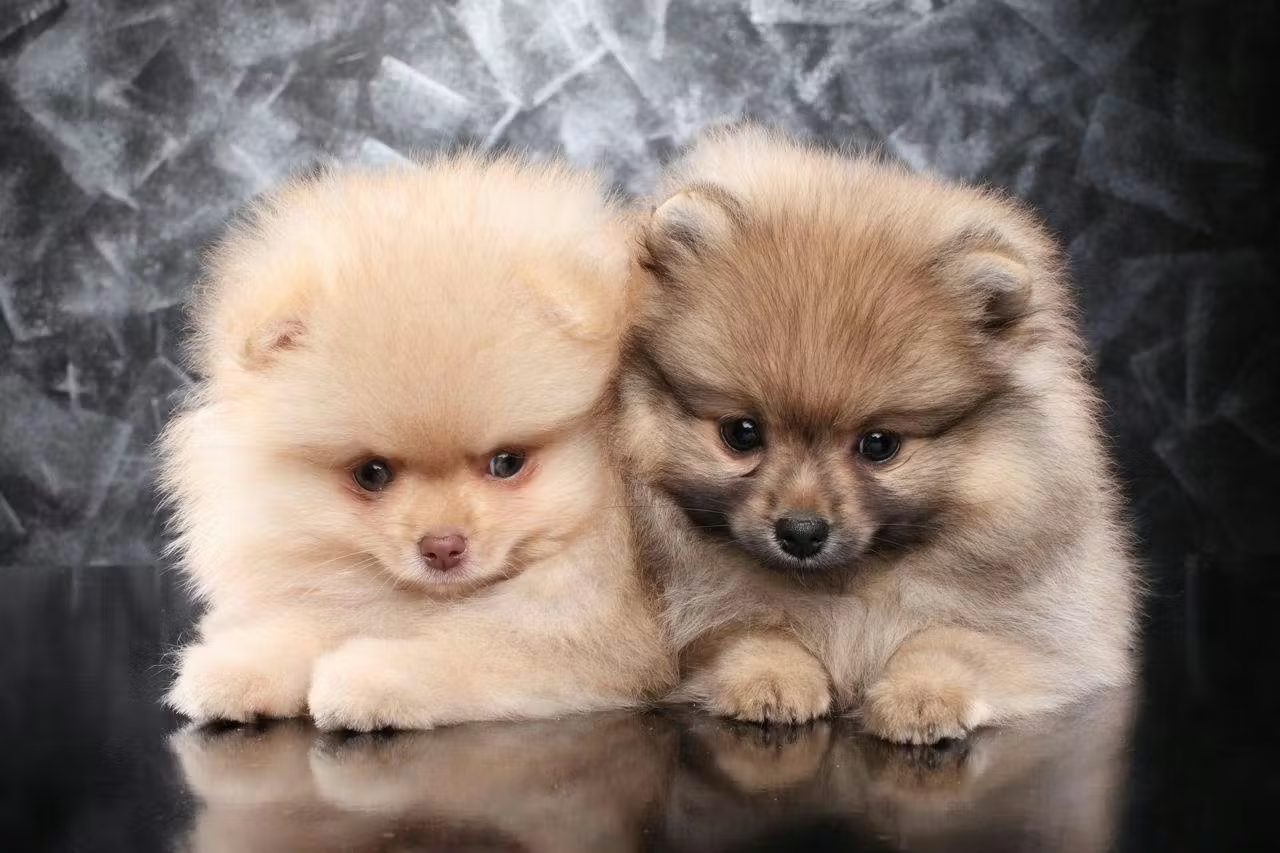
When choosing a puppy, pay close attention to its health status and physical appearance. A healthy puppy is active, lively, and playful, showing natural curiosity. If the little one approaches its future owner right away, it is a great sign.
The size of the puppy is not the most reliable indicator when making a choice, as even the smallest puppy can grow into a larger adult. The dog’s future behavior also heavily depends on its sex: males tend to be more feisty and stubborn, while females are generally known for their gentle and cooperative nature.
How to Choose a Puppy
Before bringing a new pet home, you need to determine its future role. For those wishing to participate in dog shows, show-class puppies are the best fit. Breed-class dogs are primarily purchased for breeding purposes. However, if you simply see the Pomeranian as a wonderful friend and companion, choosing a pet-class puppy is a perfect, foolproof choice.
It is important for a future owner to understand that there are no absolute guarantees. Not all show-class dogs win titles at exhibitions, and not all breed-class females prove to be highly fertile. If these aspects are crucial to you, it is best to purchase a Pomeranian from experienced breeders who focus on responsible breeding practices. That said, with proper care and if the dog fully meets the breed standard, even a pet-class puppy can grow up to become a champion.
Cost of Puppies
The price of a puppy depends on several factors. Offspring from elite dams and sires range from $550 to $1,100. A Pomeranian with a more modest pedigree can be purchased for $330 to $550. A fluffy puppy without registration papers typically costs up to $165. Keep in mind that females are generally valued several times higher than males.
It is highly recommended to buy a Pomeranian puppy from an official, registered kennel that specializes in breeding this specific breed. This ensures you get a loyal friend with excellent health and boundless optimism.
Mating (Breeding) of the Pomeranian
According to responsible breeding regulations, females can be mated at 15 months of age, and males at 12 months. However, there is no need to rush, as breeding places a significant strain on the animal’s body. Mating too early can lead to both physical and psychological issues.
The physical development of a female is fully complete by the age of 2, by which point her heat cycles will have become regular. The most favorable period for mating is usually between the 10th and 14th day of the heat cycle.
Only completely healthy dogs should be bred. Before mating, it is highly recommended to test both dogs for infectious diseases. For mating, a male that is slightly smaller than the female is typically chosen. The female’s weight should ideally not exceed 2.5 kg.
It is best to mate the dogs after a walk, before feeding, and on the male’s territory. Prior to this, the dogs should be introduced to each other on neutral ground. To ensure a successful pregnancy, mating is usually performed twice.
A Pomeranian’s pregnancy lasts for about 63 days, with litters typically consisting of 1 to 3 puppies. During pregnancy and lactation, the female’s diet must be rich in essential vitamins. Throughout her life, a female can safely produce 2 to 3 litters.
Important! To ensure the puppies fully comply with the official breed standards, always select breeding dogs that possess proper registration documents and accredited pedigrees.
Care and Maintenance
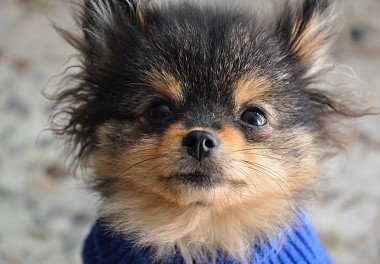
Set up a cozy spot for your puppy in a quiet corner of the house, away from drafts. Buy your four-legged friend a dog bed, choosing products made of high-quality, easily washable materials. To keep your pet from getting bored, purchase some rubber toys for them—these can be with or without squeakers.
Pomeranians love going for walks in any weather, so you should be prepared for long outdoor strolls. They need to be walked at least twice a day. These outings should be active, engaging, and include basic training elements.
Grooming a Pomeranian is quite labor-intensive. This long-haired breed sheds twice a year. Puppies experience their first shed at 4 to 6 months of age. Adult females also shed before going into heat and after giving birth.
You should train your puppy to tolerate grooming routines from their very first days in your home. Bathe your pet 1 or 2 times a month using a special shampoo formulated for long-haired breeds, pre-diluted with water. Applying a conditioner after bathing is highly recommended. Blow-dry the coat while gently brushing it with a comb or a slicker brush.

Brush your dog 1 or 2 times a week, working from the roots to the tips in the direction of hair growth, after lightly misting the coat with water. During shedding season, the pet should be brushed 3 to 4 times a week.
Thinning shears are used for trimming. Shortening the hair helps maintain a neat appearance and defines the silhouette, highlighting the breed’s best features. For hygienic purposes, the hair is trimmed between the paw pads, around the feet, and under the tail.
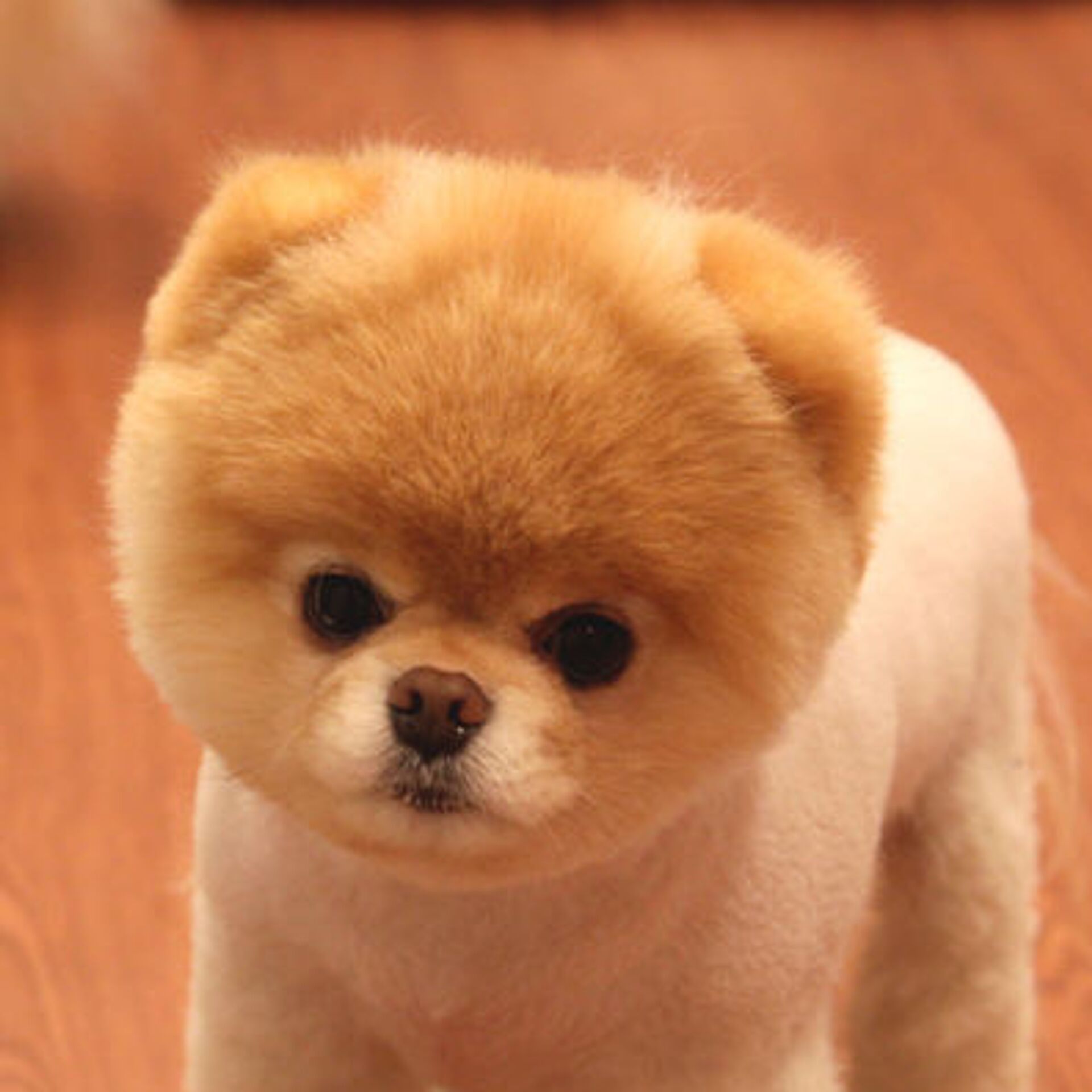
However, you should avoid extremely short “teddy bear” haircuts. Owners often want their dogs to look like the famous Pomeranian Boo, but an overly short haircut can damage the coat’s structure and lead to alopecia (balding), after which the coat may never fully recover.
Seasonal Care
-
In Winter: A Pomeranian’s coat provides excellent protection against the cold, but their paw pads are highly sensitive to road-melting chemicals and salts. Therefore, it is wise to use a protective paw wax or special dog booties for walks.
-
In Summer: The undercoat acts like a thermos, protecting the dog from overheating. Because of this, shaving your Pomeranian for the summer is strictly forbidden.
Teeth, Eyes, and Nails
-
Teeth: Brush your dog’s teeth 3 to 4 times a week using a special dog toothbrush, a finger brush, and dog-safe toothpaste. Incorporating hard food or dental treats into their diet will also help prevent tartar buildup.
-
Eyes: Make sure to inspect the eyes daily. If necessary, gently wipe away any discharge from the corners using a soft cloth moistened with chamomile tea.
-
Nails: Trim the nails once a month using a pet nail clipper. Smooth down any sharp edges with a nail file.
Daily Hygiene and Safety
-
Paw Care & Parasites: After every walk, it is recommended to wash or wipe your pet’s paws with a damp towel and check the pads for cracks or wounds. Additionally, do not forget to regularly treat your four-legged friend for external parasites (fleas and ticks).
-
Injury Prevention: Due to their small size and fragile bones, Pomeranians should not be allowed to jump from high surfaces, such as sofas or beds, as this can lead to leg or spinal injuries.
-
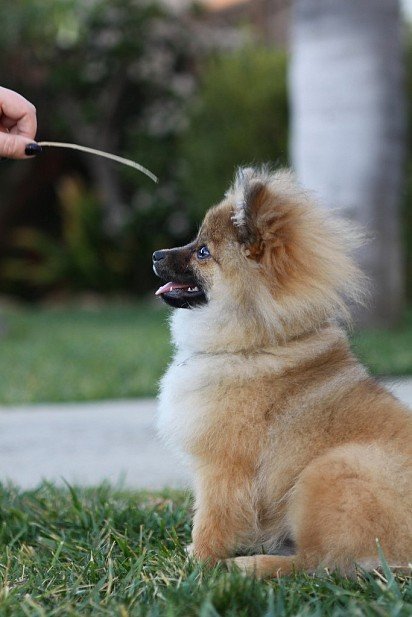
Harness vs. Collar: Many experts recommend using a soft harness instead of a collar to avoid putting pressure on the windpipe, especially given the breed’s predisposition to tracheal collapse.
Training and Socialization
The Pomeranian is naturally endowed with high intelligence, which makes the training process relatively straightforward. However, the owner must possess a firm character, confidence, and strong leadership qualities.
Gentle handling and positive reinforcement with treats are the most effective methods of training. If met with harshness or disrespect, the dog may react with aggression or defiance.
An untrained dog can cause plenty of trouble for its owner. Therefore, you should start by teaching your pet basic commands: “sit,” “down,” “come,” and “place” (go to bed). It is equally important to master a quiet command to stop barking, as the Pomeranian’s high-pitched, ringing voice is not to everyone’s liking.
With the right approach, training should go smoothly. The only challenging part might be housebreaking. This is due to the Pomeranian’s small bladder capacity, meaning they simply cannot hold it for very long.
It is crucial to teach your pet to signal when they need to go outside. Alternatively, some creative owners successfully train their Pomeranians to use an indoor litter box or puppy pads.
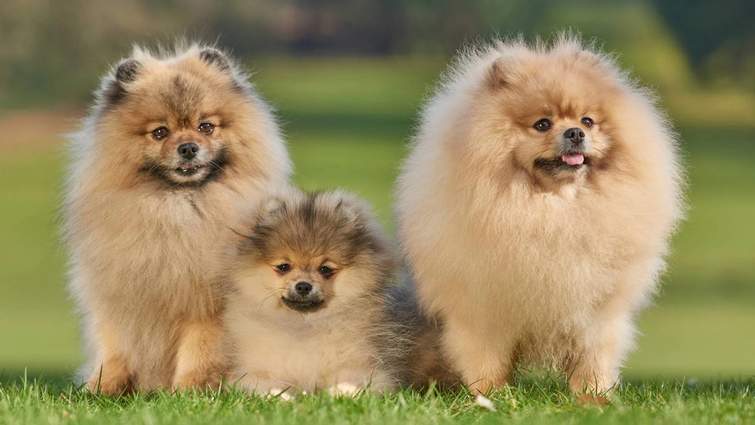
Pomeranians cannot concentrate on one thing for a long time and quickly lose focus. Therefore, it is best to use short training sessions of 15–20 minutes (you can even start with just 5 minutes), alternating them with games and other fun activities.
Some owners with disabilities train them to perform additional, more complex tasks to make daily life easier. For this purpose, you can involve a professional dog trainer with the appropriate specialization.
Nutrition
You can feed your Pomeranian either a natural diet or high-quality, balanced commercial dry food that contains all the essential vitamins and minerals your pet needs. If you choose a natural diet, remember that feeding your dog table scraps is strictly prohibited.
Allowed foods include:
-
Beef
-
Lean mutton (lamb)
-
Boneless marine fish
-
Seasonal fruits and vegetables
-
Eggs
-
Fermented dairy products (like kefir or cottage cheese)
-
Grains (rice, buckwheat, oatmeal)
-
Vegetable oil (1 teaspoon per day)
It is crucial that the food is always fresh and served at room temperature. Additionally, make sure your pet always has constant access to clean, fresh water.
Forbidden foods include:
-
Sweets and sugary treats
-
Smoked meats
-
Whole milk
-
Spicy and fried foods
-
Flour products and pastries (bread, pasta)
-
Small, splintery poultry bones (tubular bones)
-
Fatty pork
-
Freshwater (river) fish
When choosing commercial dry food, always opt for premium, super-premium, or holistic products that do not contain soy, corn, artificial colorings, flavorings, or taste enhancers.
Health and Diseases
Pomeranians generally enjoy good health, but if you decide to welcome this breed into your home, it is best to be aware of potential health issues beforehand. They are prone to several conditions, many of which can be quite serious. These include:
-
Hip dysplasia
-
Legg-Calve-Perthes disease (first signs usually appear between 4 and 6 months of age, including limping and muscle atrophy in the hind legs)
-
Patellar luxation (dislocated kneecap)
-
Tracheal collapse (narrowing or sagging of the windpipe)
-
Dental issues
-
Various types of allergies
-
Epilepsy
-
Cataracts
-
Keratoconjunctivitis sicca (dry eye syndrome)
-
Tear duct problems
Among rarer conditions, male Pomeranians may occasionally experience testicular tumors or undescended testicles (cryptorchidism).
These dogs are particularly prone to dental problems, making regular brushing essential. Additionally, incorporating dry dog food (specifically formulated kibble) into their diet can help maintain dental hygiene and support oral health.
Pros and Cons of the Breed
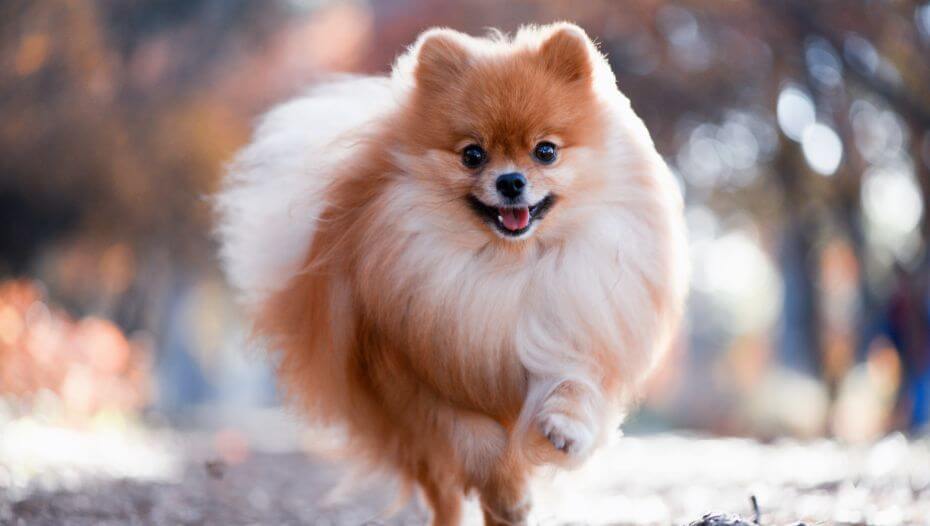
The Pomeranian is a tiny, energetic dog with an adorable face that combines remarkable intelligence with the spirited temperament of its larger ancestors. It will fearlessly rush to your defense if it perceives a random passerby as a threat. Yet, despite its loyalty and affection, a Pomeranian won’t spend all day sitting quietly at its owner’s feet. For this little dog, romping through autumn leaves and burning off energy in active play is far more exciting.
Pros of the Breed:
-
Attractive and charming appearance
-
Great loyalty and devotion
-
Bravery and courage
-
Friendly and outgoing nature
-
Highly sociable
-
Easy to train
-
Deep love for children
-
Gets along well with other pets
-
Ability to sense and adapt to the owner’s mood
Cons of the Breed:
-
Loud, frequent barking
-
Tendency to dominate
-
Excessive energy and high activity levels
-
Heavy shedding
-
Requires meticulous and regular coat care
The Pomeranian is an excellent choice for active people. It will happily keep you company on your jogs, travels, and everywhere you take it. The golden rule is to follow proper care guidelines, invest in consistent training, and deeply care for your pet. In return, you are guaranteed to receive the endless tenderness and love of your four-legged friend.


