

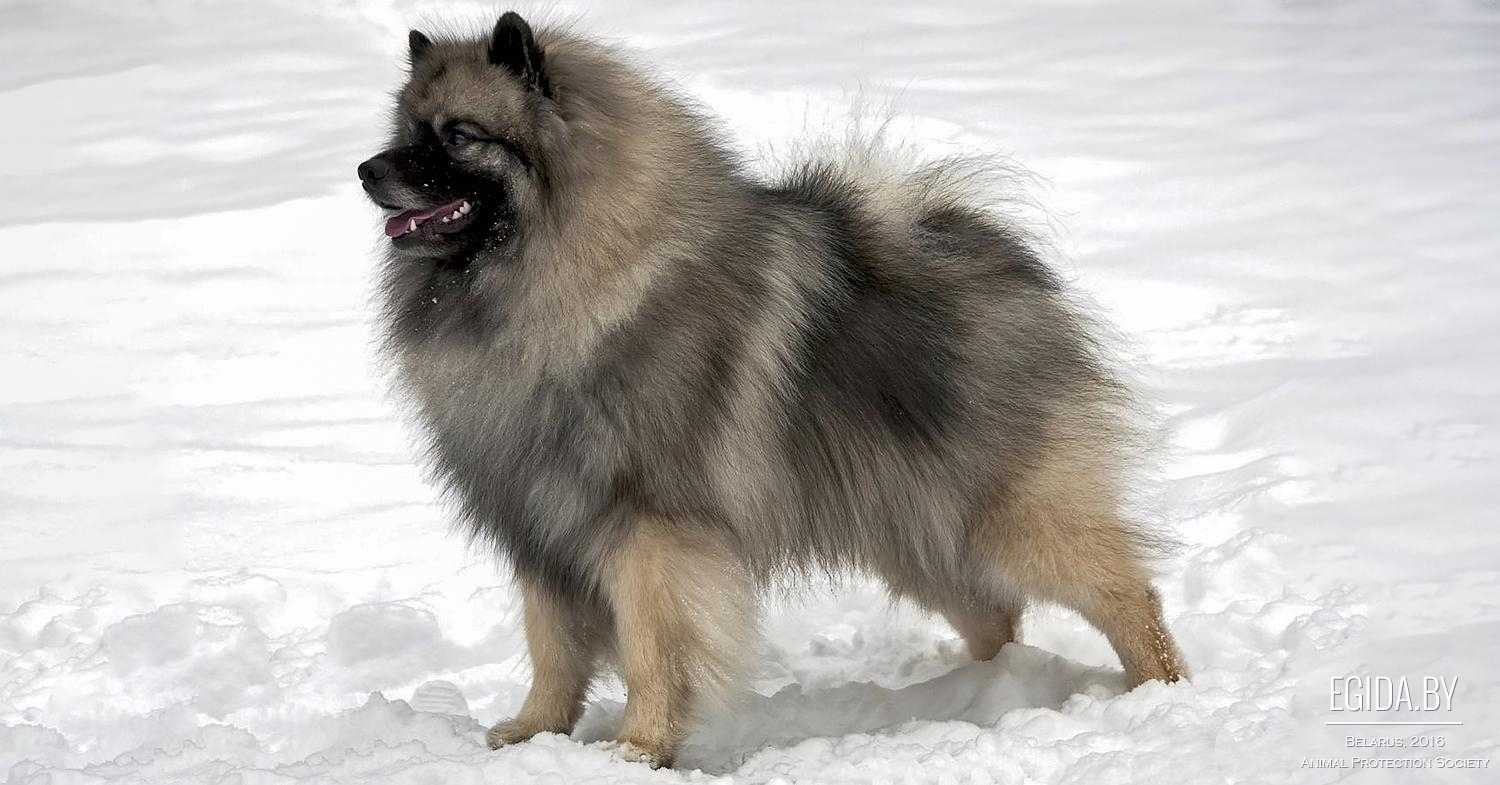
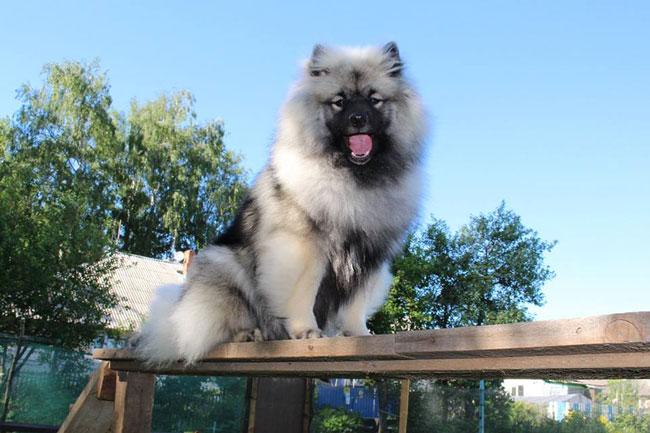
The Keeshond (or Wolfspitz) is the largest representative of the German Spitz family. Its unique “wolf-like” appearance, luxurious double coat, and incredibly friendly nature capture hearts at first sight. Keeshonds are often called the best companions for hikers, anglers, and picnic lovers, as these dogs adore outdoor trips where they can run around to their heart’s content and satisfy their natural curiosity.
The breed does not possess even a minimal level of aggression. Although they may initially show a cautious, watchful attitude toward strangers, they quickly warm up to people thanks to their open temperament. Because of the distinct facial expression characteristic of all representatives of the breed, Keeshonds are affectionately known worldwide as “the Smiling Dutchmen.”
сontents
Origin and History of the Breed
The Keeshond has a long and fascinating history. Over the centuries, this dog has been a loyal human companion, transitioning from a watchful working dog on river vessels to a symbol of political freedom in the Netherlands.
In the 17th and 19th centuries, Wolfspitzes were commonly kept on Dutch river barges (known as “Rijnaaken,” which transported cargo along the Rhine River) and other vessels. Thanks to their incredible alertness and loud bark, they were indispensable watchdogs for sailors, reliably protecting property from thieves. This is why, in their homeland, the breed was known for a long time as the “Barge Dog.”
Genetically, the Keeshond is very closely related to northern and Arctic breeds, such as:
-
Norwegian Elkhound
-
Samoyed
-
Finnish Spitz
-
Chow Chow
The most dramatic period in the breed’s history occurred at the end of the 18th century, when a patriot rebellion erupted in the Netherlands against the ruling House of Orange. The patriot movement was led by a popular political figure, Cornelis (Kees) de Gyselaer.
His loyal companion was a striking Wolfspitz. De Gyselaer’s dog appeared in public with him so frequently that it became the living symbol of the rebels. Supporters of the revolution came to be called “Keezen,” and their dogs were named “Keeshonds” (Kees’ dogs). This fluffy dog was owned by everyone who supported free-thinking views, from humble laundresses and coachmen to wealthy merchants.
An Interesting Fact: Centuries after these events, Cornelis de Gyselaer is sometimes mistakenly confused with the prominent 17th-century Dutch statesman Cornelis de Witt. However, it was de Gyselaer and his fluffy companion who gave the modern breed its name.
After the patriot rebellion was suppressed and the Orange dynasty reclaimed power, the breed fell into severe disfavor. For the monarchists, the Keeshond was the embodiment of rebellion, while for the former insurgents, it was a painful reminder of a heavy defeat. Over the next century and a half, the Wolfspitz population rapidly declined, pushing the breed to the brink of extinction. It survived only on remote farms and aboard the occasional river barge.
A new era for the Keeshond began in the 1920s, thanks to the dedicated efforts of two remarkable women:
-
In the Netherlands: Baroness van Hardenbroek, during one of her trips across the country, noticed the charming fluffy dogs that had survived among local farmers. Inspired by the idea of restoring this national treasure, she dedicated years to their professional breeding and popularization in Europe.
-
In Great Britain: Her Dutch colleague was preceded by the young Miss Hamilton-Fletcher (later Mrs. Wingfield-Digby). In 1905, while traveling in the Netherlands, she persuaded her parents to buy two Wolfspitz puppies. What started as a simple whim eventually became the foundation for the British breeding line. In 1926, alongside Mrs. Alice Gatacre, they officially founded the first breed club in England, permanently securing the Keeshond’s status as an aristocratic favorite.
Description
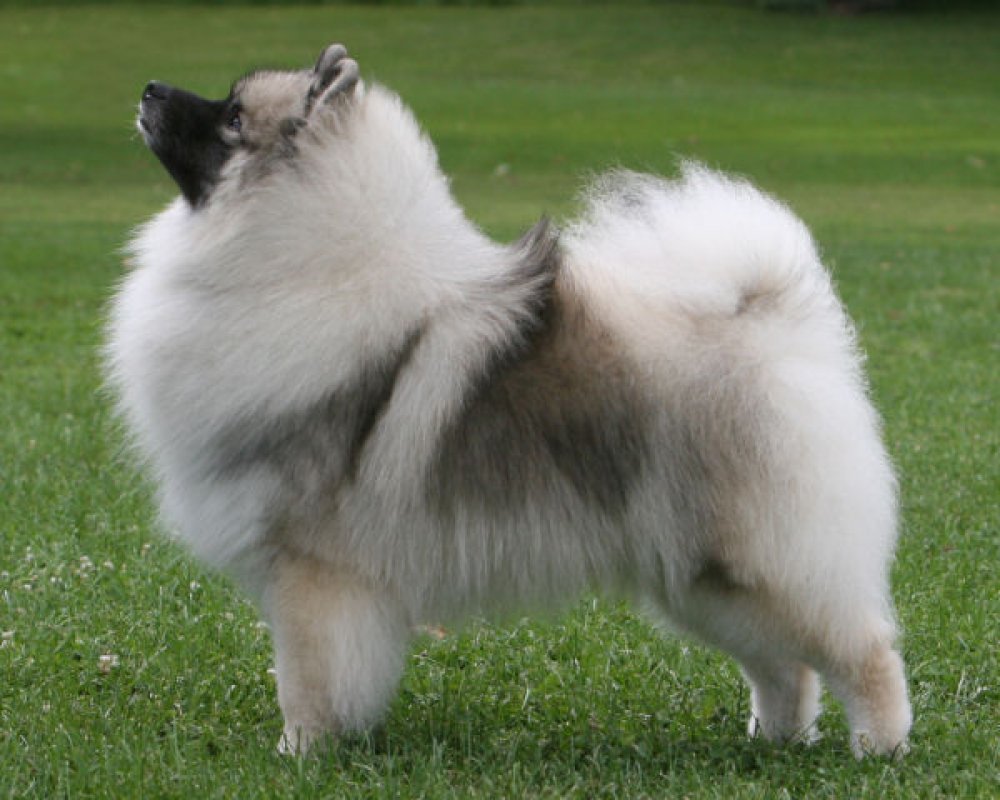
The Keeshond is an adorable fluffy companion with an endless battery of joy inside, capable of turning even the gloomiest day into a vibrant rainbow of fun. This tireless, active dog is always genuinely thrilled by three things: spending quality time with their owner, delicious treats in their food bowl, and leisurely walks in nature.
Breed Features
The Keeshond was developed by Dutch breeders, tracing its ancestry back to ancient Torfspitz (Peatland Spitz) dogs. The modern Keeshond is the result of crossing various Spitz bloodlines. Today in Germany, the breed is officially recognized as the Wolfspitz, while Keeshond remains its historical Dutch name.
Head.
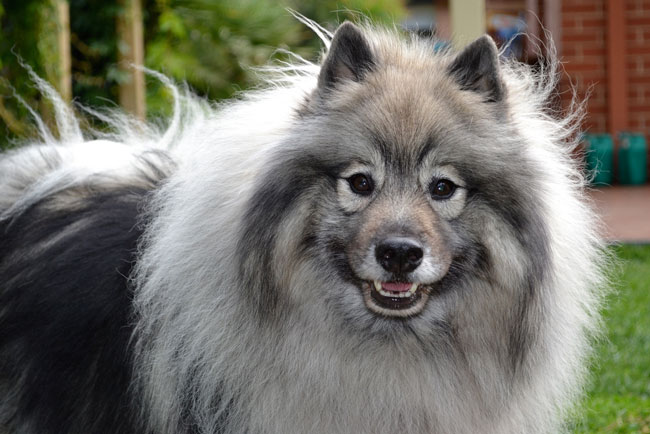
Moderate in size (not too small), wedge-shaped when viewed from above. The occiput and forehead are moderately defined. The muzzle is harmonious, not too long, refined but not overly pointed (unlike a fox).
Teeth.
The bite must be a scissor bite (a pincer/level bite is permissible but undesirable). The jaws are strong, with a complete set of healthy, sturdy teeth.
Ears.
Small, nearly equilateral triangles in shape. Set high, placed close to each other, and always carried strictly erect.
Eyes.
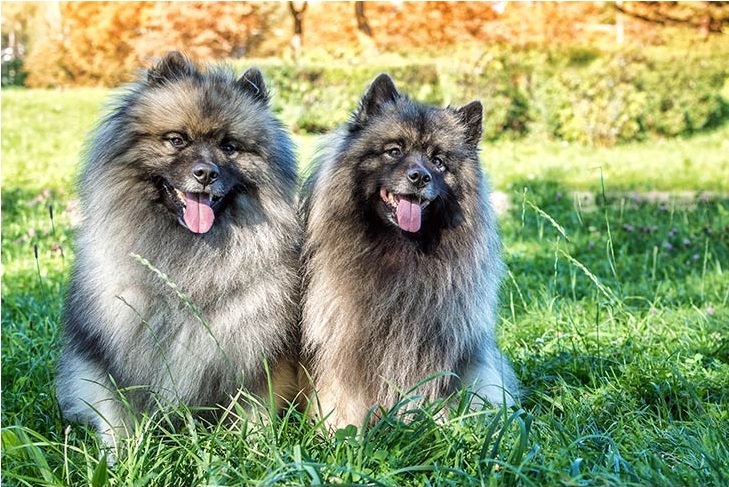
Medium-sized (neither deep-set nor protruding, as prominent eyes are a serious fault in Spitz breeds), almond-shaped or slightly oval, and dark brown. Characteristic dark lines (“spectacles”) must run around the eyes.
Body (Body Structure).
Features a compact, square-shaped build (the height at the withers equals the body length; the torso must not be elongated). The chest is deep, well-developed, with well-sprung (barrel-shaped) ribs. The abdomen is moderately tucked up. The topline is short, perfectly straight, and transitions smoothly into the tail without a visible slope of the croup.
Forelegs and Hindlegs.
Straight, parallel, and sturdy (not fine-boned — fine bone structure is considered a fault for a medium-sized Spitz). The hindquarters have moderate angulation and should not extend excessively behind the line of the croup.
Paws.
Small, rounded (“cat feet”). The toes are well-arched and tightly knit.
Coat.
Long, straight, and stand-off. The undercoat is short, extremely dense, soft, and thick (it is thanks to this dense undercoat that the harsh outer coat does not lie flat but stands off from the body).
Color.
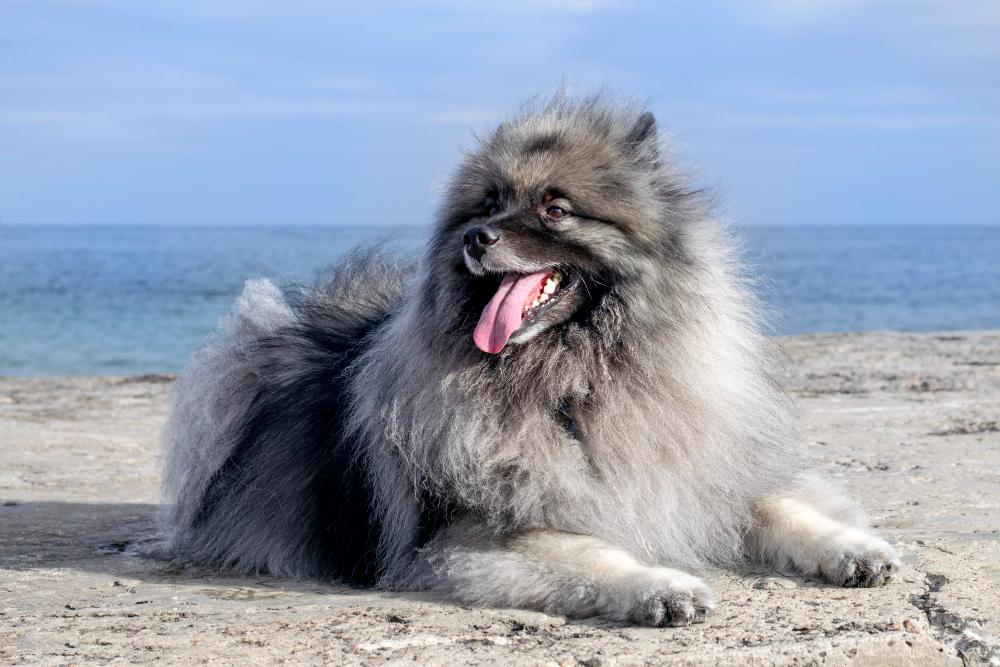
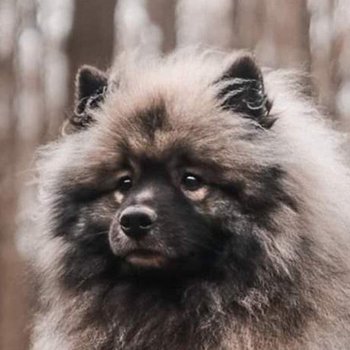
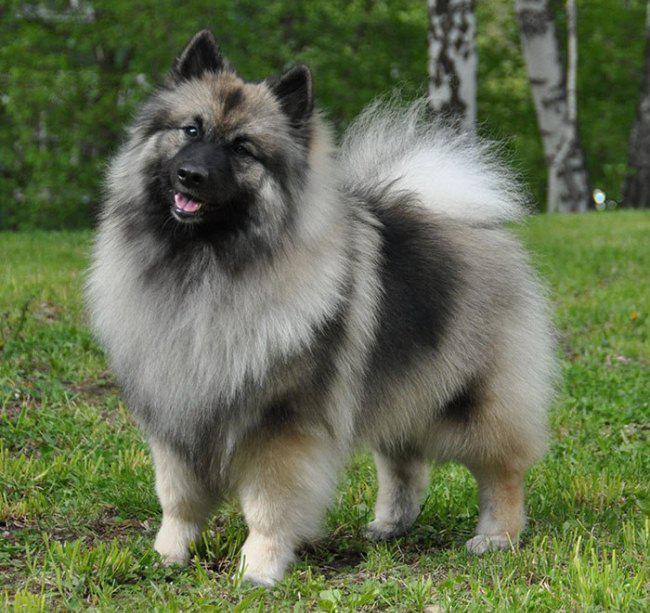
The primary and most recognizable color is silver-grey with black hair tips (wolf-sable). However, beautiful brown shades, cream or sandy undertones in the undercoat, and sable variations are also permissible and occur within the breed. A dark mask on the muzzle, dark ears, and lighter “trousers” (pantaloons) and “ruff” (collar) remain mandatory elements.
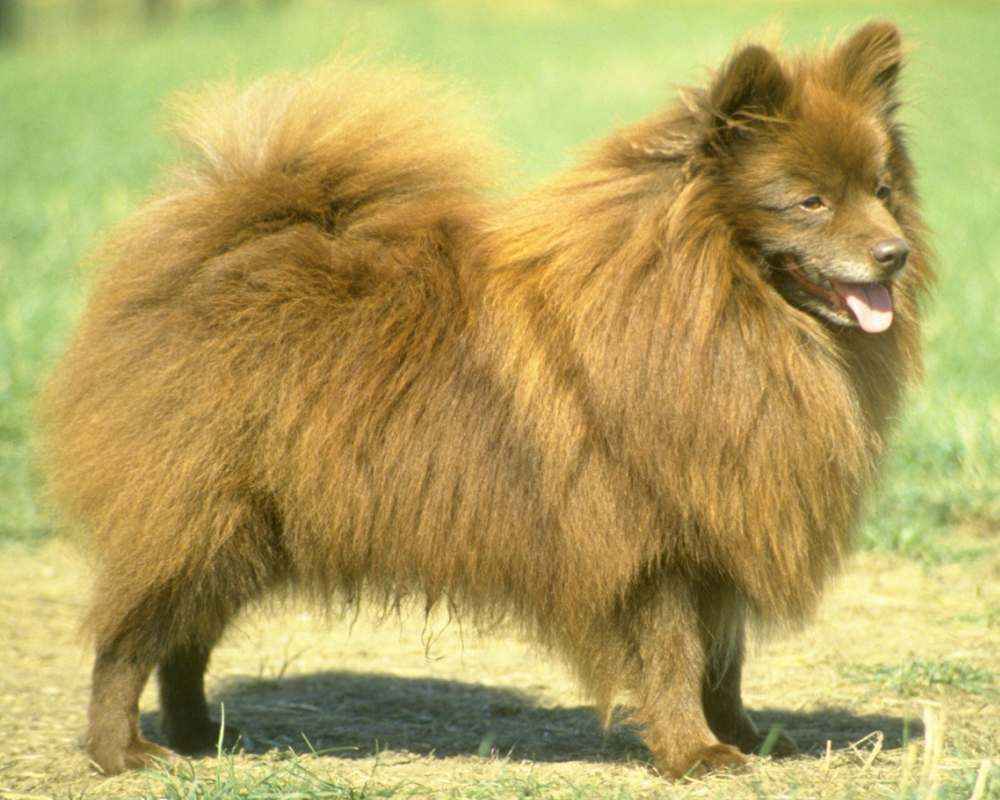
The FCI standard requires the same coat color type for both the Keeshond and the German Wolfspitz (wolf-sable). However, upon closer inspection, the “Dutchmen” exhibit a richer coat tone due to a small percentage of cream-colored hairs, whereas the German Wolfspitz has a strictly silver-grey hair shaft with a black tip.
Breed Standard
Although the FCI continues to classify the Keeshond as a variant of the Wolfspitz and allows both families to be exhibited in the same show ring, there are significant differences in their appearance and temperament that are worth knowing beforehand. For instance, although Keeshonds are considered the largest representatives in the Spitz group, they are much more compact than their German cousins.
A more striking and glamorous appearance is also a hallmark of the “Dutch” line. This is because, historically, German breeders prioritized utility and working qualities in the Wolfspitz rather than showy looks. The breeds also differ in color. The Keeshond’s coat palette is richer, blending grey, black, and cream/beige tones. In contrast, the coats of German Wolfspitzes retain a traditional, stricter wolf-sable coloration consisting of grey, black, and white tones.
According to the official FCI breed standard, the height at the withers is:
-
Males: 45–49 cm
-
Females: 41–45 cm (somewhat more delicate and petite)
The weight of these dogs is not strictly defined by the standard in exact figures; however, it must be harmonious and proportional to their height, typically ranging between 16–25 kg. The dog’s build must strictly maintain a compact, square silhouette, where the height at the withers visually equals the body length. A crucial requirement of the standard is the preservation of light, springy, and effortless movement, which rules out any excessive heaviness or coarseness of the bone structure.
The lifespan of these sturdy and healthy dogs is relatively high for their size, averaging 12 to 15 years.
Disqualifying Faults and Breed Defects
A Keeshond of either sex cannot participate in dog shows or be approved for breeding if any of the following disqualifying faults are present:
-
Ears: Semi-erect (button) or drop (hanging) ears.
-
Eyes: Entropion (inward rolling of the eyelids) or ectropion (outward rolling of the eyelids).
-
Coat and Color: The presence of distinct, prominent white patches on the coat.
-
Physiological Features: An open fontanelle (unclosed soft spot on the skull).
-
Bite: Any deviation from the types of bite permitted by the standard (overshot, undershot, or wry mouth).
-
Temperament and Behavior: Extreme shyness, overly timid behavior, or aggression.
Additionally, individuals with obvious physical defects that cast doubt on their breed purity cannot expect high show ratings. Such faults and defects include:
-
A flat skull, or conversely, an overly domed, apple-shaped head.
-
Large, round, or light-colored eyes.
-
A pink (flesh-colored) or partially depigmented nose leather.
-
An incomplete set of teeth (oligodontia).
-
The absence of the characteristic dark grey and black markings on the face (the dark mask and “spectacles”).
Keeshond (Wolfspitz) Temperament
Keeshonds possess a high level of intelligence and are fully capable of making independent decisions, which can sometimes present minor challenges during training. At the same time, these dogs are boundlessly loyal to their owners and genuinely strive to please them in every way. They are incredibly sensitive to praise and thrive on positive reinforcement and encouragement.
Representatives of this breed absolutely love an active lifestyle. To fully satisfy the dog’s natural needs, they require regular walks and plenty of physical exercise. Owners must understand that this dog needs a lot of outdoor time and play, as Keeshonds simply cannot stand monotony. For harmonious development, your pet needs regular mental stimulation just as much as physical activity.
The Keeshond is the perfect dog for those who want a go-anywhere companion, a playful partner in crime, and a deep emotional connection. These fluffy, spherical “Dutchmen” live in a state of constant emotional dependency on their owner and family members. To put it simply, a Wolfspitz will always choose the company of humans over that of other dogs.
Keeshonds are exceptionally peace-loving and adapt easily to anyone. They do not bully other household pets (unless deliberately encouraged to do so) and are ready to befriend anyone who shows them affection. The only thing that can truly disappoint and hurt this dog is a poor psychological atmosphere at home. Remember, a Keeshond feels highly uncomfortable in environments with constant shouting and raised voices, as well as in homes where they are ignored and left to entertain themselves.
A bored Keeshond left alone for long periods will quickly find entertainment in loud, high-pitched barking and howling. Because of this, these four-legged friends are not suitable for career-driven individuals or workaholics who spend most of their day away from home.
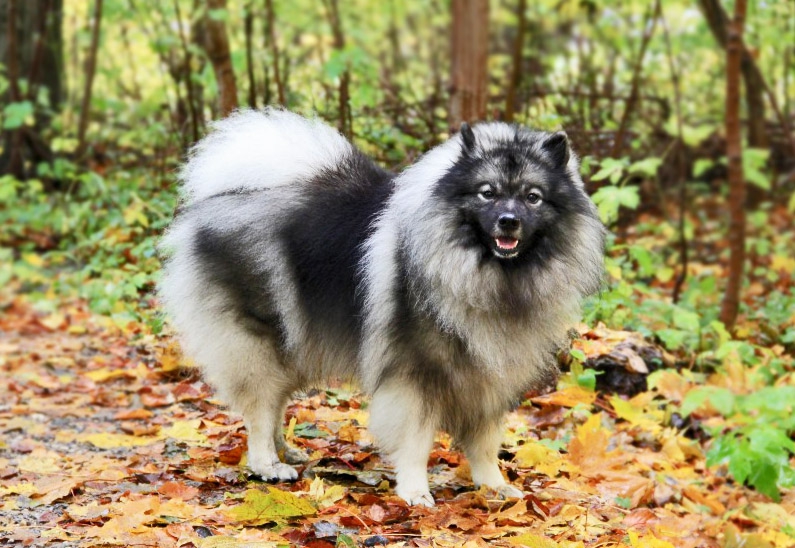
Like cats, Keeshonds are deeply attached to their homes and rarely, if ever, attempt to run away. However, these fluffy “mini-wolves” are always genuinely thrilled to play, especially when the fun moves outdoors. Generally speaking, a true Keeshond is a woolly extrovert who cares about everyone and everything, and whose life mission is to ensure that only positive vibes prevail. For example, abroad, Keeshonds—alongside Golden Retrievers and Labradors—are actively involved in canine-assisted therapy. This speaks volumes, as only the most emotionally stable representatives of the canine world are selected for such work.
The breed also gets along wonderfully with children. While it would be naive to expect your pet to soothe a crying infant, it is an absolute fact that the dog will easily find ways to entertain and engage a preschooler. However, abusing the good nature of your four-legged companion is highly discouraged. If the dog lies down to rest, bothering them just because someone wants to play is unwise and unfair. Never forget that these “Dutchmen” are excellent entertainers, but by no means submissive jesters.
Although Keeshonds are exceptionally social by nature, they may initially show natural watchdog alertness and reserve toward strangers (though innate aggression is atypical for the breed and is considered a serious fault). They may also approach new pets in the household with caution. However, if pets grow up together from an early age, there will never be any issues with their coexistence.
An Interesting Fact: The behavior of a Wolfspitz depends heavily on the quality of their upbringing and training. The Keeshond’s character is highly flexible, and its development is directly influenced by the training methods used and the overall family atmosphere created by the owner.
Keeshond (Wolfspitz) Puppies
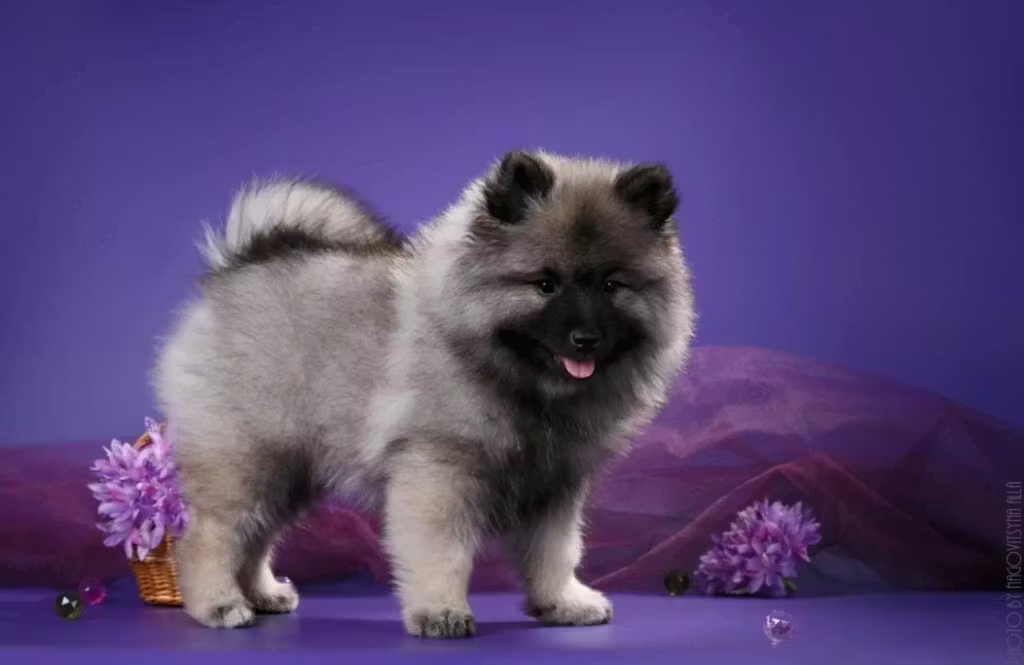
The optimal age to purchase a puppy is 8 to 10 weeks. At the same time, some kennels prefer to sell dogs at 8 to 10 months of age; at this adolescent stage, the dogs already have all their necessary vaccinations, their breed characteristics are clearly visible, and they have often already completed a basic training course.
Your truest friend will be the puppy that chooses you itself. Be sure to ask the breeder to show you the entire litter. The little one that is the first to wag its tail, lick your hand, or show curiosity in any other way will become your best and most loyal companion.
How to Choose a Puppy
-
Choosing by Sex: There is little point in choosing a Keeshond puppy based solely on sex. Representatives of this breed do not have highly pronounced “boy” or “girl” personality traits. However, males generally boast a more textured, striking appearance, while females are distinguished by a pleasingly elegant and refined build.
-
Genetic Tests: Always ask the breeder for the health test results of the puppy’s parents. They should be screened for genetic conditions such as hip dysplasia, patellar luxation (slipping kneecaps), and hypothyroidism.
-
Transition Age: Look for a breeder who is willing to let the puppy go to its new home no earlier than 8 weeks of age. This is the optimal time for puppies to separate from their mother and littermates without emotional distress.
-
Living Conditions: Evaluate the environment where the dogs are raised. Give preference to country-style, home-raised kennels where the animals are not kept in cages or cramped apartments.
-
Show Potential: If you plan to get a show-quality dog, look for breeders offering 4-month-old puppies. At this age, the exhibition potential of a Keeshond is much easier to evaluate.
-
Coat and Color Evaluation: Pay close attention to the puppy’s coat. Part the fur to check the thickness and uniformity of the undercoat. Avoid purchasing a puppy if there is even a tiny white spot on the coat—this is a serious fault that casts doubt on the purity of the entire litter.
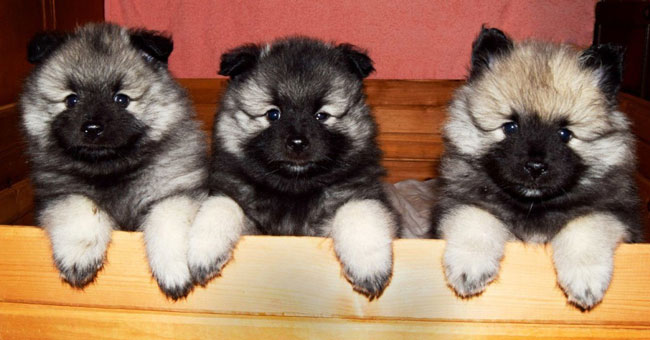
Puppy Cost
A Keeshond puppy from titled parents, complete with a kennel tattoo (stamp) or microchip from a reputable breeder, will cost around $530–$670. An average representative of the breed—one who may not possess outstanding show-quality looks but is perfect as a loving family pet—costs on average $270–$330.
Occasionally, you may come across “super bargain” listings on websites and forums offering Keeshonds for $130–$200. Typically, such low prices indicate either animals with significant aesthetic faults or offspring from parents who may have health issues or have not undergone any genetic screening.
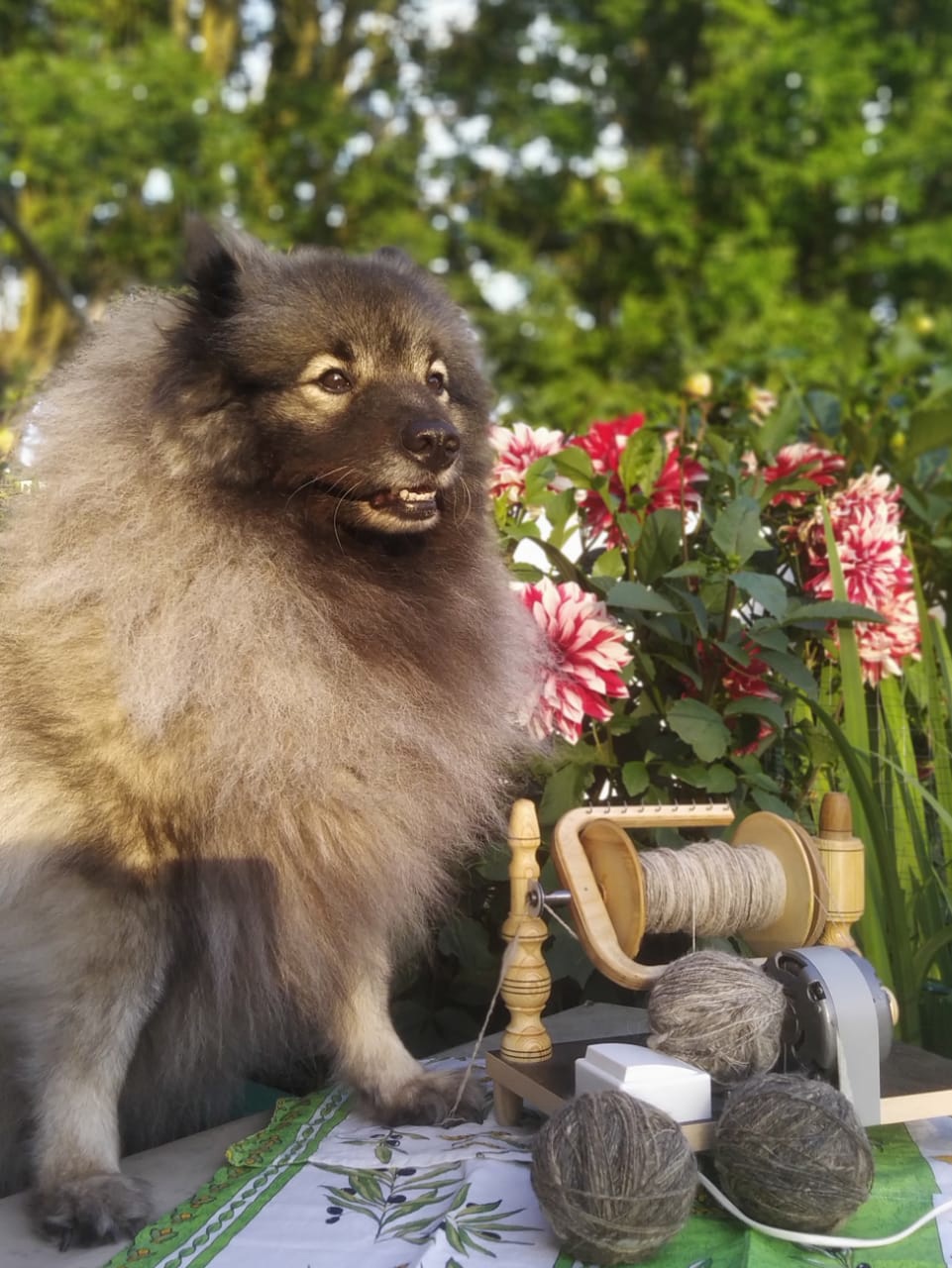
Mating (Breeding) of the Keeshond (Wolfspitz)
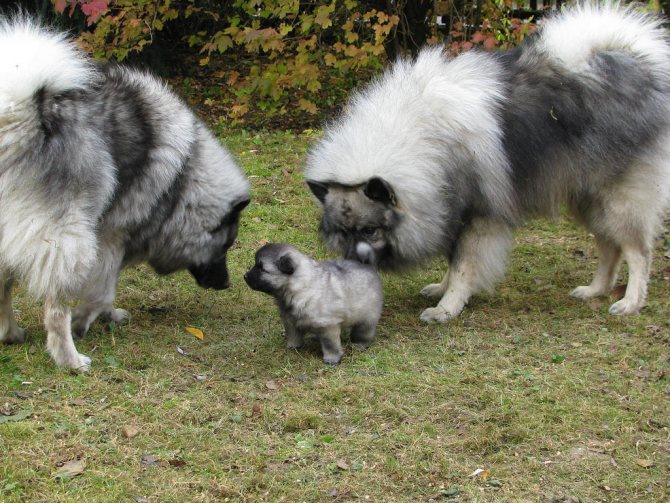
Breeding Wolfspitzes is relatively straightforward, and owners can easily manage the process on their own. If you wish to obtain puppies with official pedigrees, the female (dam) must be registered with a kennel club or breeding registry. A responsible owner must maintain a detailed heat cycle (estrus) diary. Approximately one month before the anticipated third heat, the owner should contact their kennel club or registry to select a suitable stud dog. Following this, the dog owners agree on the mating date and sign the official breeding agreement (mating certificate).
A female is physically ready to produce healthy offspring at around 2.5 years of age, which typically coincides with her 3rd or 4th heat cycle. The optimal time for mating is usually between the 13th and 15th day from the start of the cycle. Immediately before breeding, it is recommended to walk the dogs together, and the actual meeting should take place on the stud dog’s territory or neutral ground.
When the male mounts, he can be gently supported by the lower back and guided. At the same time, the female should be supported under the abdomen and by the head to prevent her from sitting down or struggling. After active thrusting, the dogs will establish a “tie” (lock). To guarantee successful fertilization, a tie-back (tie) or tie-mating should be repeated 24 to 48 hours later. If the female actively resists and shows aggression, the mating session should be postponed. Pregnancy can be determined in its early stages through a specialized veterinary test or an ultrasound during a vet visit.
Care and Maintenance
Representatives of this breed adapt wonderfully to both spacious houses with large yards and cozy apartments. However, before bringing your puppy home, it is essential to prepare everything for their comfort:
-
Set up a sleeping area: Equip a cozy corner with a dog bed or a soft mattress away from drafts and heating radiators.
-
Purchase food and water bowls: It is recommended to choose bowls on an adjustable stand. This allows you to raise the dishes to chest level as the puppy grows, helping them maintain proper posture.
-
Prepare training pads or a dog litter box: This is necessary for indoor bathroom needs during the first few months of quarantine, before the puppy is fully vaccinated and allowed outdoors.
-
Get walking gear: A durable collar and a comfortable leash for future walks.
Caring for a Keeshond is not difficult, but their luxurious coat requires consistent attention and regularity. These dogs shed and renew their coat gradually, meaning there is a moderate amount of shedding throughout the year.
-
Coat Care: To prevent loose hair from spreading around the house, the dog must be brushed regularly. Daily brushing is not recommended, as it can damage the rich undercoat—carefully grooming the coat 1 to 2 times a week with a long-toothed metal comb or a slicker brush is quite sufficient.
-
Bathing and Grooming: Bathe your Keeshond only as they get dirty, typically no more than once every 1 to 2 months. The Wolfspitz coat has a unique self-cleaning ability; moreover, these dogs are exceptionally clean and often wash themselves with their paws just like cats. Under no circumstances should you clip a Keeshond with clippers (this can permanently ruin the structure of the guard hair). Trimming is only done neatly between the paw pads for hygienic purposes.
- Dental Hygiene: Clean your pet’s teeth several times a week using a specialized veterinary toothpaste and toothbrush. Alternatively, you can provide dental chew toys and preventive treats (such as dental ropes or dried organ meats) to help mechanically scrape away plaque.
- Ear Care: Regularly inspect the ears for any signs of inflammation or unusual discharge. If necessary, clean away earwax using a cotton pad moistened with a specialized veterinary ear lotion.
- Nail Trimming: Trim the nails using proper dog nail clippers as they grow. This procedure is usually required quite infrequently, as active walks on asphalt and hard ground naturally wear the nails down.
- Parasite Protection: Throughout the warm season (and year-round in areas with mild winters), the dog must be regularly treated for fleas and ticks. Preventive deworming (treatment for internal parasites) should be performed once every three months, as well as strictly 10 to 14 days prior to each annual vaccination.
Nutrition
Keeshonds are prone to obesity, so it is crucial for the owner to design a well-balanced diet with minimal carbohydrate content. It is best to feed your dog high-quality dry food of premium, super-premium, or holistic class. When choosing a puppy, always ask the breeder what they feed the mother and what diet the puppy had during its first weeks of life to ensure a smooth transition to their new food.
The caloric density of a Keeshond’s diet should be distinctly seasonal. In winter, the “Dutchman” should receive more meat and organ meats (up to 500 g per day), whereas in summer, it is healthier to lighten the digestive tract with a more modest 300 g of animal protein.
The standard weight of a Keeshond’s daily ration is 750–900 g. Typically, the menu includes the same foods that are safe for other dogs:
-
Grains (oatmeal, buckwheat, rice)
-
Vegetables (excluding potatoes and broccoli)
-
Low-fat fermented dairy products (kefir, cottage cheese)
-
Egg yolks
A strict ban on consumption applies to:
-
Any food from the human table (scraps)
-
Sweets and chocolate
-
Sausages and smoked meats
-
Bones (especially splintery poultry tubular bones)
-
Raw freshwater fish
-
Certain fruits and berries (citrus fruits, grapes, pomegranates)
-
Semolina and fatty pork
When feeding a natural diet, specialized vitamin and mineral supplements must be added to the dog’s food twice a year (typically during seasonal shedding periods).
A well-balanced natural diet for a Keeshond should be structured in the following proportions:
-
50% — Protein products: raw or boiled rabbit, chicken, turkey, or lean beef, as well as eggs, low-fat cottage cheese, kefir, and boiled, boneless saltwater fish.
-
35% — Carbohydrates: grains (buckwheat, rice, oatmeal), along with healthy vegetables, leafy greens, and safe fruits.
-
15% — Fats: healthy plant or fish oils (such as flaxseed or salmon oil added directly to the bowl), while the dog will naturally receive the rest of the required fats from meat and dairy products.
Health and Diseases
Keeshonds are known for their robust health and strong immune systems. To maintain their excellent well-being, representatives of this breed require a balanced diet, regular preventive veterinary checkups, and timely vaccinations.
Despite their general resilience, the Keeshond breed is predisposed to several genetic and acquired conditions, including:
-
Addison’s disease (hypoadrenocorticism) — an endocrine disorder affecting adrenal gland function.
-
Hip dysplasia — a congenital joint pathology that, if left unmanaged, can lead to painful arthritis.
-
Progressive Retinal Atrophy (PRA) — an ophthalmic disease that leads to gradual vision loss.
-
Patellar luxation — a musculoskeletal issue causing slipping kneecaps and lameness.
-
Diabetes mellitus — a metabolic disorder, often linked to the breed’s tendency to gain excess weight.
-
Von Willebrand’s disease — an inherited bleeding disorder that causes blood clotting issues and spontaneous hemorrhaging.
-
Hypothyroidism — a dysfunction of the thyroid gland.
-
Cataracts — clouding of the eye’s lens.
-
Epilepsy — a neurological disorder characterized by seizures.
-
Allergic reactions (both dietary and environmental).
Pros and Cons of the Breed
Before making the final decision to purchase a puppy, a future owner should carefully weigh all the characteristics of the Wolfspitz’s temperament and care. Like any other breed, the Keeshond has its undeniable advantages as well as its specific challenges.
Pros of the Breed:
-
Incredible temperament and friendliness.
-
High intelligence and trainability.
-
Excellent compatibility.
-
Versatility in living conditions.
-
Robust health.
-
Exceptional cleanliness.
Cons of the Breed:
-
Need for constant contact.
-
Vocal nature (“talkativeness”).
-
Demanding coat care.
-
Prone to weight gain.
-
High demand for mental stimulation.
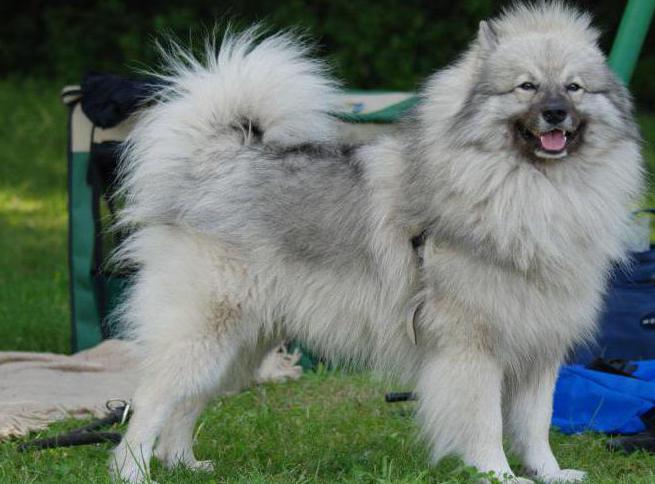
The Keeshond is an amazing dog with a charming smile.
This pet requires proper care and attention. When planning to bring such a smiling creature into your life, it is essential to prepare and create a comfortable environment for them beforehand. A Keeshond demands a great deal of love and attention; therefore, if you do not have enough free time to dedicate to training, active bonding, and shared leisure, it is best to reconsider getting one.


